For decades, the Republican Stadium in Chișinău was more than just Moldova's national football arena. It was the stage for historic international matches, unforgettable sporting moments, and one of the country's most iconic landmarks. Although the stadium no longer exists today, its legacy continues to live on, not least because it witnessed the international debut …
Republican Stadium, Chișinău – Where David Beckham Made His England Debut
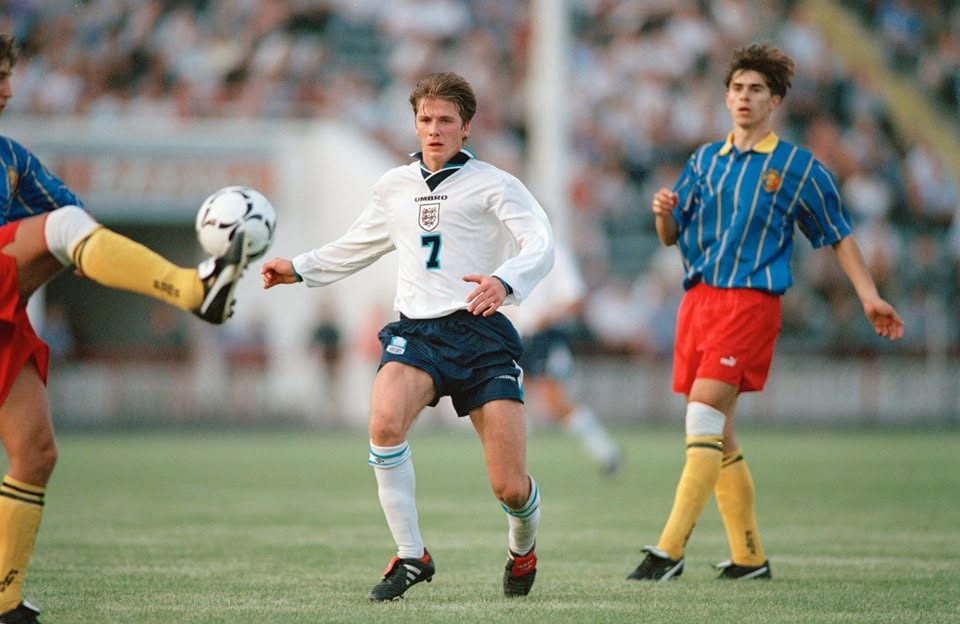
For decades, the Republican Stadium in Chișinău was more than just Moldova’s national football arena. It was the stage for historic international matches, unforgettable sporting moments, and one of the country’s most iconic landmarks. Although the stadium no longer exists today, its legacy continues to live on, not least because it witnessed the international debut of one of football’s greatest legends, David Beckham.
The Birth of Moldova’s National Stadium
The origins of the Republican Stadium trace back to a Soviet-era policy decision. On 27 December 1948, the Central Committee of the All-Union Communist Party (Bolsheviks) issued a resolution calling for the mass development of physical culture and fitness among the population. The Central Committee of the Communist Party of Moldova adopted this directive, and it became the foundation for building a new national stadium in Chișinău.
Construction ran from 1950 to December 1951. However, the pitch began deteriorating almost immediately after the stadium opened, and between October 1952 and April 1953 an entirely new turf had to be laid. At that early stage, the site still lacked sports courts, a gymnasts’ training area, and a pavilion, and structural defects in the eastern stand had not yet been resolved.
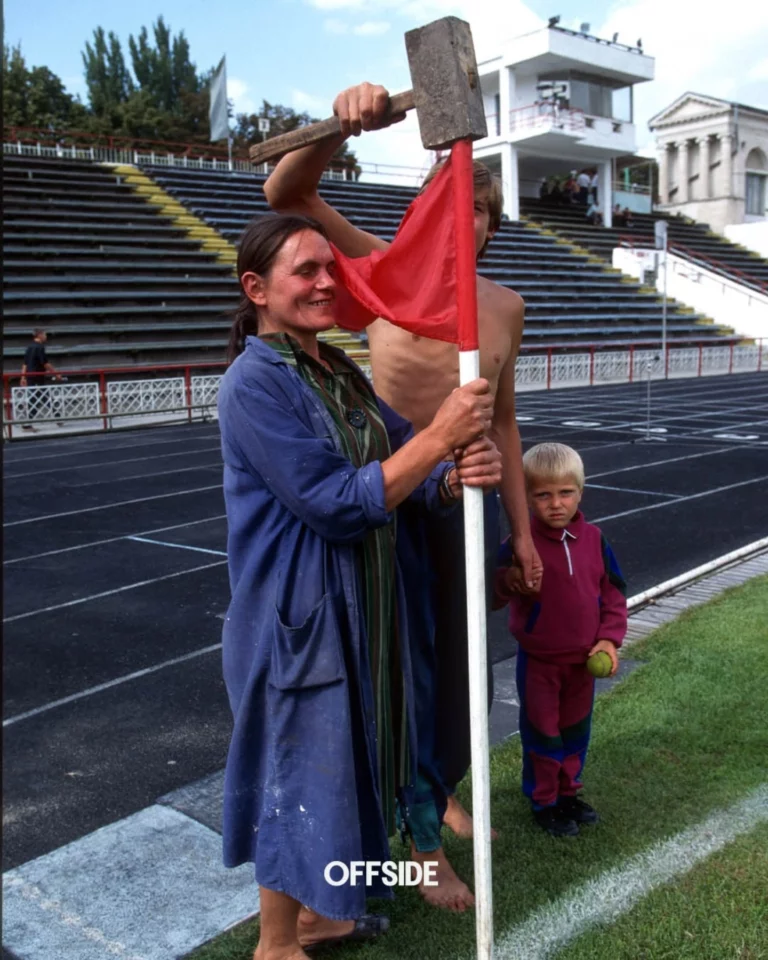
A major reconstruction followed from 1955 to 1957. The northern stands were expanded by 6,000 seats, while the southern stands grew by 1,500 seats to the west and 1,500 to the east. A new stand with 1,000 seats was added near the sports pavilion. The space beneath the stands was fitted out with locker rooms, a canteen, a medical office, a referees’ changing room, and massage and rest facilities. This phase also brought in public address systems, alarms, telephone lines, and synchronized clocks. A further reconstruction in 1974 expanded total capacity to 21,580 seats.
Over the following decades, the stadium hosted:
- Home matches of Moldova’s national football team.
- Games played by local clubs such as Zimbru Chișinău and Dacia Chișinău.
- Seventeen Moldovan Cup finals.
- International football matches and athletics competitions.
- Even the 1986 Soviet League Cup Final, highlighting its importance within the Soviet sporting calendar.
Why Was the Stadium Closed?
By the early 2000s, the aging stadium no longer met modern FIFA and UEFA safety and infrastructure standards. International football authorities determined that extensive reconstruction was necessary if Moldova wanted to continue hosting official international matches.
In October 2006, the second Tarlev government (led by then Prime Minister Vasile Tarlev) approved a resolution on reconstructing the Republican Stadium complex, outlining the steps central and local authorities needed to take. In March 2007, the government requested a demolition permit from the Chișinău City Hall for nine structures on the stadium grounds that were privately owned by individuals and companies. The city ultimately issued a permit to demolish the stadium’s stands instead, and the final decision to move forward with demolition was made at a government working session on 11 June 2007.
The Republican Stadium was demolished in the summer of 2007, at the initiative of Prime Minister Vasile Tarlev, who famously climbed onto a tractor himself and symbolically knocked down a makeshift wall as a public gesture marking the start of demolition. At the time, Tarlev announced plans for a modern 20,000-seat arena on the site, along with a large parking facility and a hotel.
That reconstruction never began. According to estimates, building a new sports complex of that scale would cost around 100 million euros—a price tag that has kept the project stalled ever since.
What Is There Today?
For many years, the former stadium site remained largely abandoned, becoming one of the most debated urban development projects in Moldova.
Today, the land is being prepared for the construction of the new United States Embassy in Moldova, together with a public park. As part of the redevelopment, the government has announced that the historic entrance gates of the Republican Stadium will be preserved, ensuring that a symbolic piece of the stadium’s history survives.
Can You Visit the Republican Stadium?
Unfortunately, no.
The stadium itself no longer exists, having been demolished in 2007. Visitors can only view the former location from outside the redevelopment area, while some of the original entrance gates remain as reminders of what was once Moldova’s national sporting arena. There are no stadium tours or public access to the former playing field.
Where David Beckham’s International Journey Began
One of the Republican Stadium’s greatest claims to international fame came on 1 September 1996.
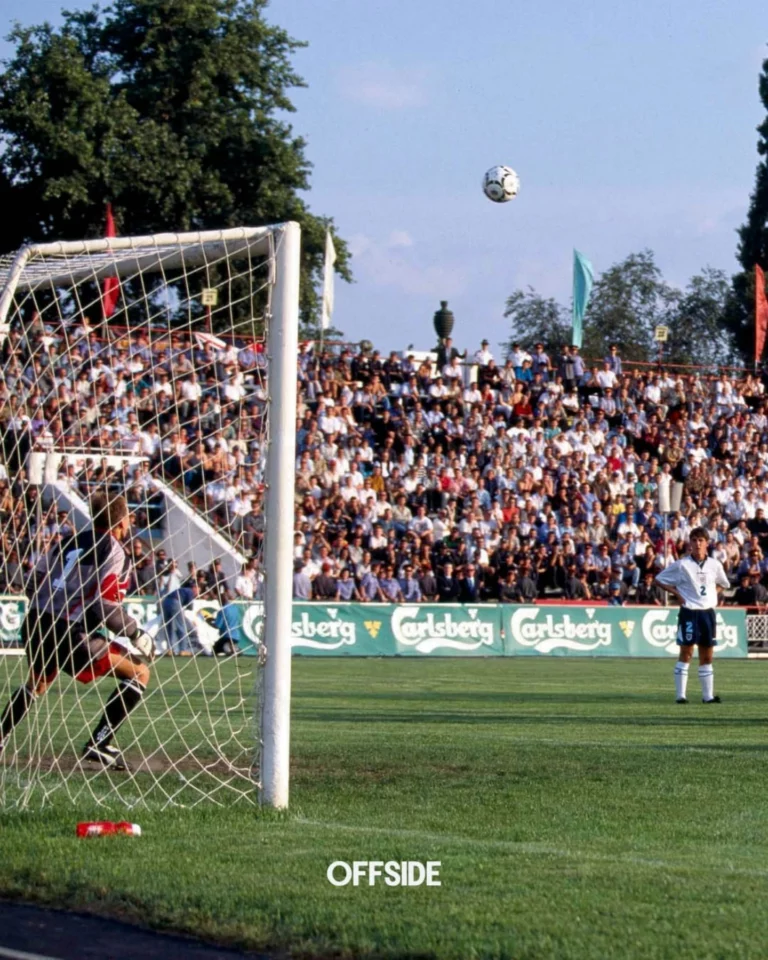
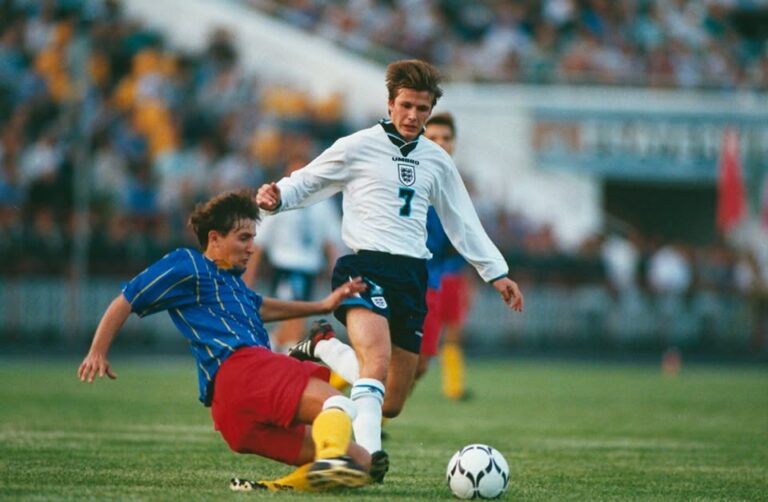
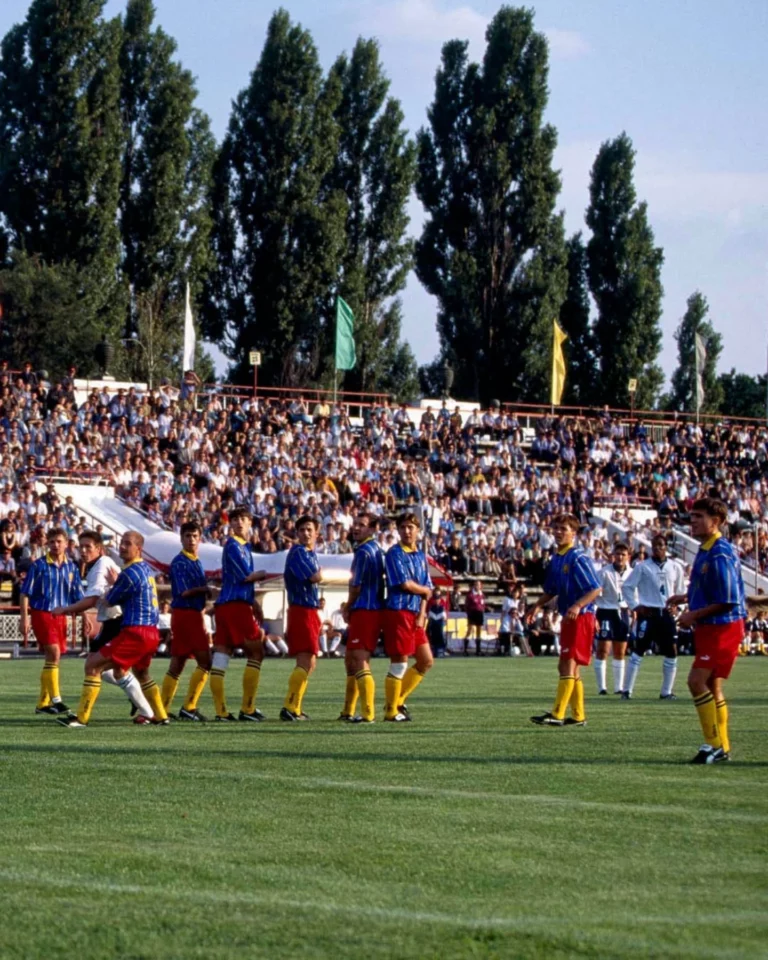
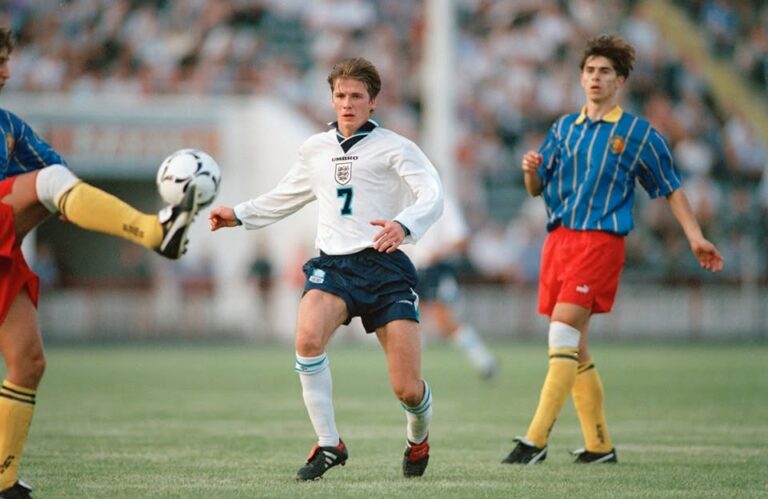
During a 1998 FIFA World Cup qualifying match between Moldova and England, a 21-year-old midfielder named David Beckham earned his very first cap for the England national team.
England won the match 3–0, with goals from Nicky Barmby, Paul Gascoigne, and Alan Shearer. Beckham started the match and played alongside English football icons including David Seaman, Gareth Southgate, Paul Ince, Stuart Pearce, Alan Shearer, and Paul Gascoigne. It was the beginning of an international career that would eventually include 115 appearances, captaincy of England, Champions League glory with Manchester United, and worldwide football superstardom.
It is remarkable to think that one of football’s most recognizable careers began not at Wembley, Old Trafford, or the Santiago Bernabéu—but in the heart of Chișinău, Moldova.
A Stadium Gone, A Legacy That Remains
Although the Republican Stadium disappeared nearly two decades ago, its place in Moldovan sporting history remains secure. For generations of supporters, it was the country’s football cathedral. For international football fans, it will always be remembered as the place where David Beckham wore the England shirt for the very first time.
Today, only memories, and a few surviving architectural elements, remain. Yet for those who know the story, the site still represents one of Moldova’s most fascinating football landmarks, proving that even a vanished stadium can leave a lasting mark on world football.

GuideMoldova.com
Keep in touch with our news & offers
Subscribe to Our Newsletter
Thank you for subscribing to the newsletter.
Oops. Something went wrong. Please try again later.