Most first-time visitors make the same mistake: they see Chișinău, book a day tour to Cricova or Old Orhei, take a few photos, and think they've seen Moldova. They haven't. The real country starts where the tour buses turn around, and unlike a lot of "authentic countryside" guides, this one gives you actual names, distances …
Exploring the Moldovan Countryside: Villages, Vineyards and Hidden Gems
Most first-time visitors make the same mistake: they see Chișinău, book a day tour to Cricova or Old Orhei, take a few photos, and think they’ve seen Moldova. They haven’t. The real country starts where the tour buses turn around, and unlike a lot of “authentic countryside” guides, this one gives you actual names, distances and things to do once you get there.
The Orheiul Vechi valley: where rural tourism in Moldova began
If you only explore one corner of the countryside, make it this one – the villages of Trebujeni and Butuceni, wrapped around the Orheiul Vechi archaeological complex about an hour from Chișinău.
Trebujeni is where Moldovan agritourism was born: Casa din Luncă, opened in the Benzin family’s household, is generally considered the country’s first rural guesthouse, and Casa Verde has been running since 2005. A short walk away in Butuceni, guesthouses set up by local families let you sleep in a traditional house, eat a home-cooked meal, and walk to the cave monastery and the limestone cliffs above the Răut river valley without getting back in the car. Some also run archaeology and ethnography exhibits inside the village itself, tied to the finds from Orheiul Vechi.
What to actually do here: hike the cliff trails above the monastery at sunrise or sunset before the day-trip crowds arrive, go birdwatching (the reserve hosts close to 100 bird species across six marked routes), or simply stay the night, most visitors only come for a few hours, so an overnight is what actually earns you the quiet.
The monastery valley: Saharna, Țipova and the village of Lalova
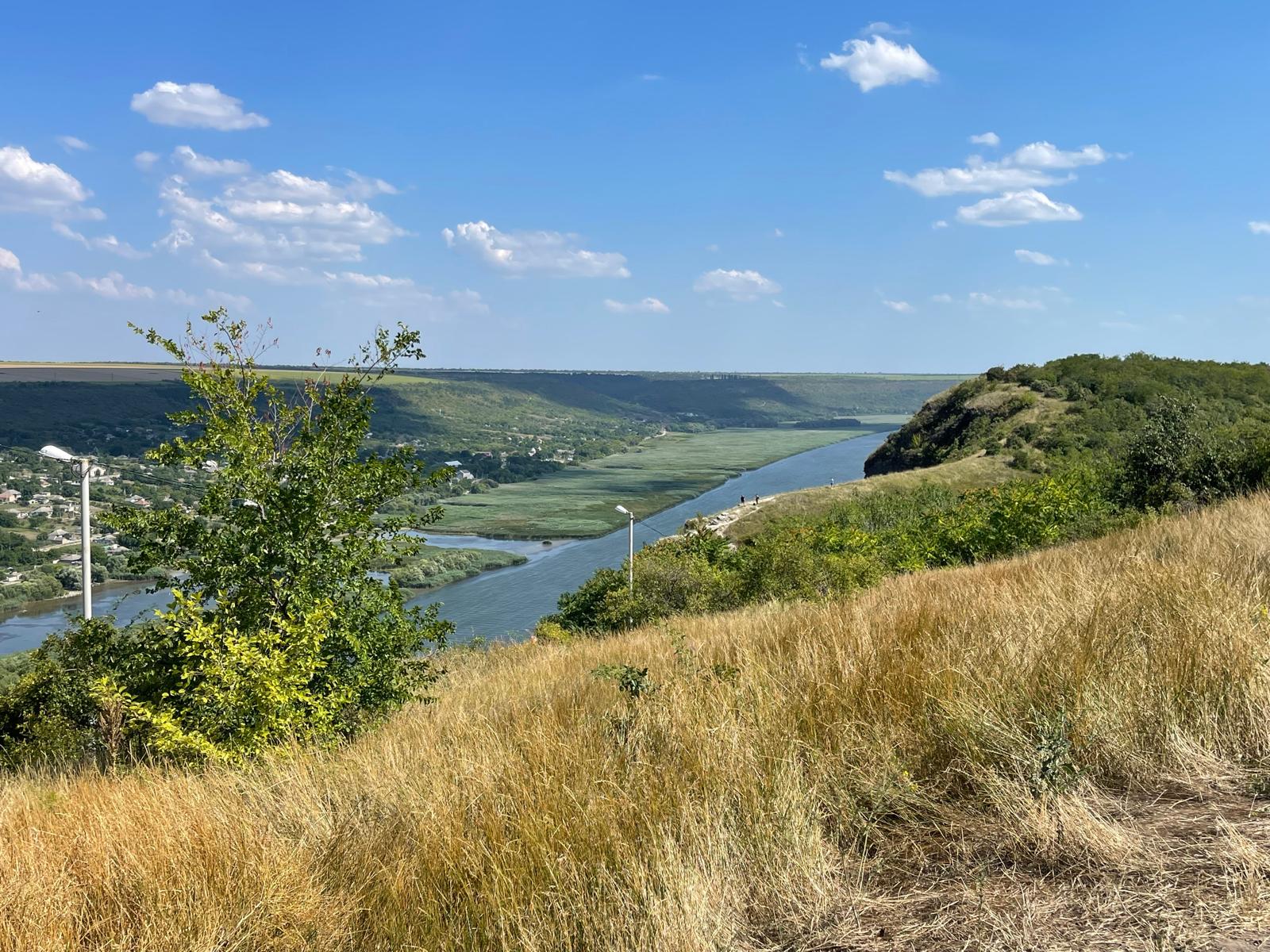
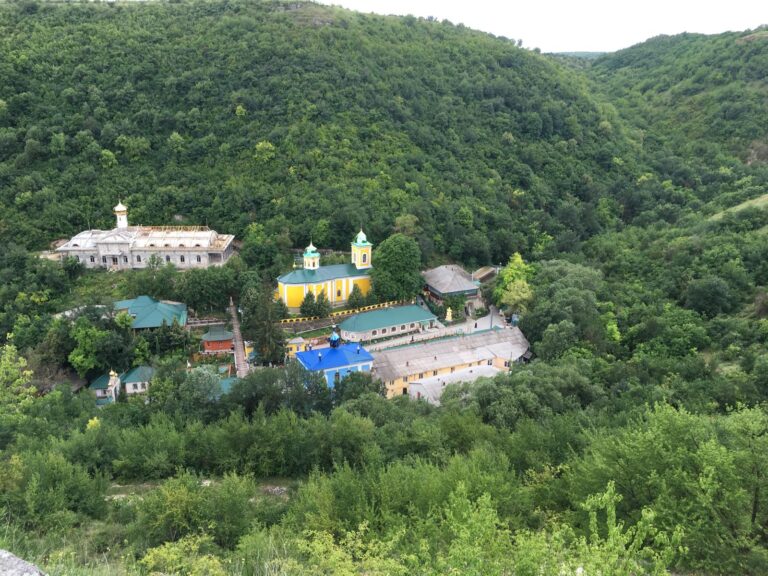
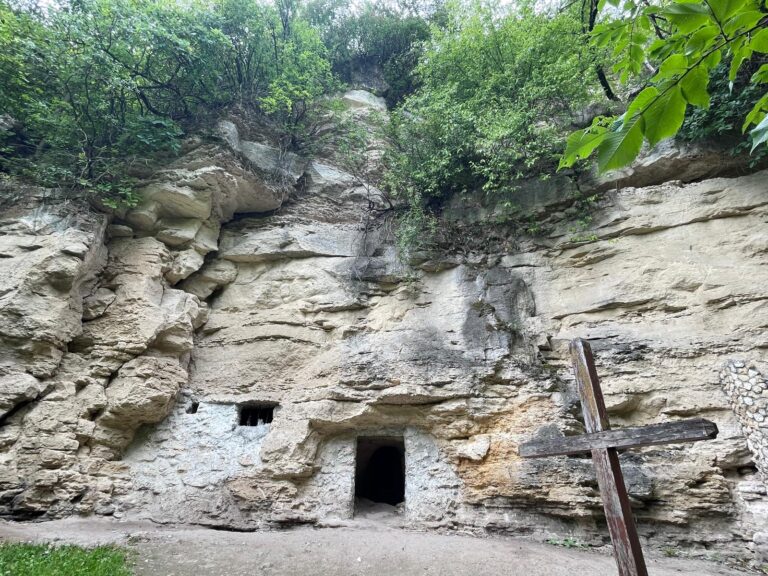
Along the Nistru river, two cave monasteries, Saharna and Țipova, are connected loosely enough that they make a natural day trip, and quiet enough that the silence itself is part of the experience.
Base yourself in Lalova, a small village roughly 100 km from Chișinău sitting almost exactly between Țipova and Saharna. Guesthouses here, like Hanul lui Hanganu, are set up specifically for people splitting a day or two between the two monastery sites, useful if you don’t want to drive back to the capital each evening. Saharna adds a waterfall and forest trails to the monastery visit; Țipova is known for the panoramic view from the rocks above the Nistru, one of the most photographed spots in rural Moldova that most tourists never actually reach.
While you’re in the area, it’s worth a detour to Horodiște, a village in Rezina district close to Saharna, where French chef Thierry Ernst and his wife Tatiana run Fromage.md, a small artisanal cheese workshop making genuinely French-style cheeses (a month-aged tomme, and a fresh égoutté with basil, garlic, walnuts or black pepper), using traditional French recipes and milk bought directly from local farmers at above-market prices, as part of a social enterprise supporting families in the region. Some Saharna day trips already build in a tasting stop here, a good, low-key way to add something unexpected to a monastery-focused itinerary: French cheese, made in a Moldovan village, from Moldovan milk.
Wine country beyond the big cellars
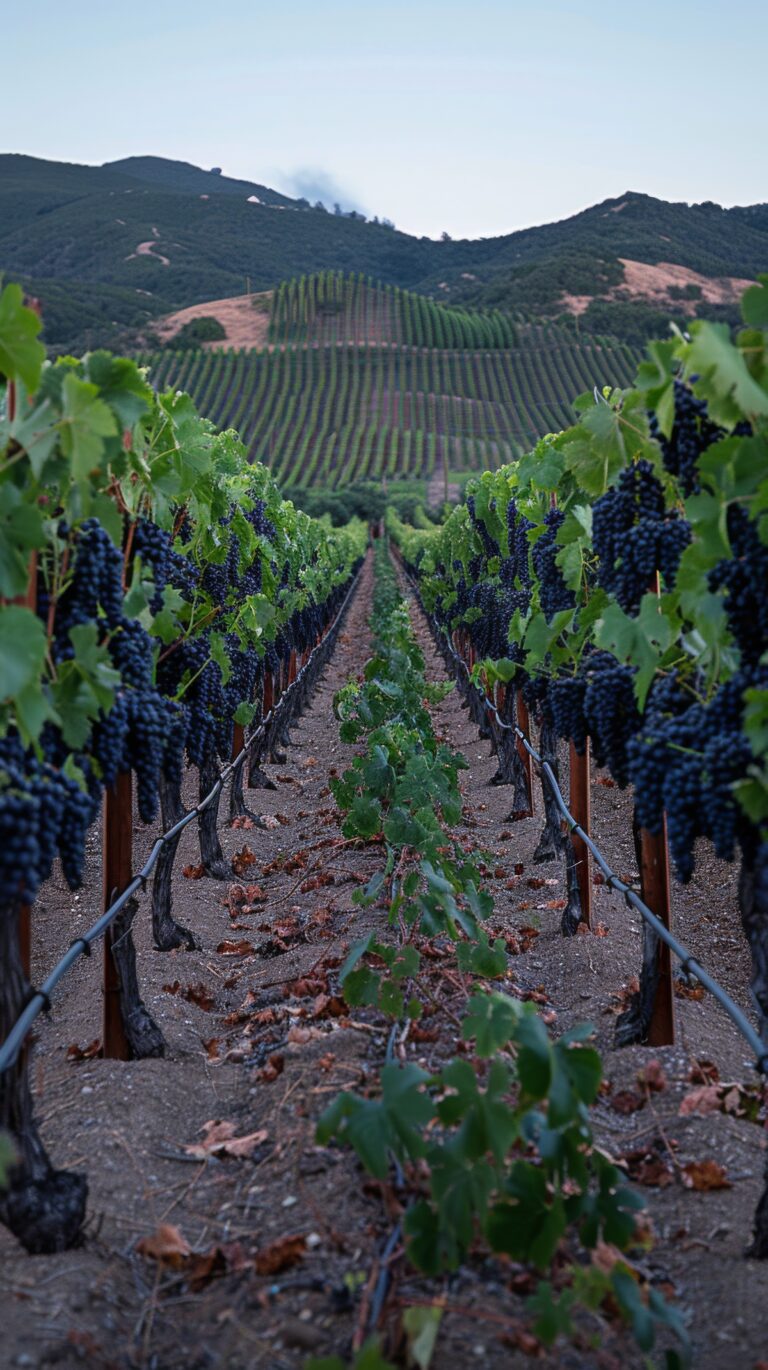
Cricova and Mileștii Mici get all the attention, but the vineyards around them are where the wine culture actually lives day to day.
- The Codru hills (Nisporeni, Cojușna, and the villages around Strășeni) are where many of the country’s boutique and family wineries sit, alongside the region’s forests and orchards, a good half-day loop if you’re already staying near Chișinău. Nearby, at the forest’s edge in Sadova (Călărași), Crama Tudor is winemaker Tudor Aghenie’s own family project: a cluster of traditional wooden houses among the vineyards, a wood-fired oven turning out stuffed vine leaves and pies, and a small cellar of his wines, what started as a rest spot for vineyard workers is now open to guests for tastings, cycling through the Codru forest, or a hands-on winemaking master class.
- Near Ungheni, in the village of Mircești, Crama Mircești has earned the nickname “Moldova’s Little Tuscany” for the way its vineyards climb the sunlit slopes around a carefully restored 19th-century boyar mansion. It’s run by winemaker Arcadie Foșnea, and beyond the wine and the kitchen, a small belvedere on site lets you look out over the vine-covered hills, the view that gave the place its nickname.
- Further south, in Ștefan Vodă district, the villages around Purcari (whose winery is internationally known) sit in one of Moldova’s most forested regions. Cioburciu, a village with over 650 years of recorded history, has a guesthouse (Meșter Faur) offering fishing, boat rides and forest walks alongside easy access to the Purcari winery itself.
- Deeper south still, in the Valul lui Traian region, often cited as Moldova’s best territory for red wine, the Cerven family runs Kara Gani, known especially for its “Ciotra” wine line and a wall of medals to match. A visit here typically ends in the family’s cellar with pickles and preserves made by the host herself, and, if you ask, a ride through the village on a donkey-drawn cart.
📖 Planning a route around these wineries? Our full digital guide includes contact details, addresses and booking info for every location in this section – Vinăria Tronciu, Crama Tudor, Hill & Valley, Crama Mircești, the Purcari-area guesthouses, and Kara Gani – so you can reach out and book directly instead of hunting each one down. Get the digital guide here.
Craft villages: where pottery is still a living trade, not a museum piece
Moldova’s “Ceramics Route” links working potters’ villages across the country, and a few are genuinely worth the detour:
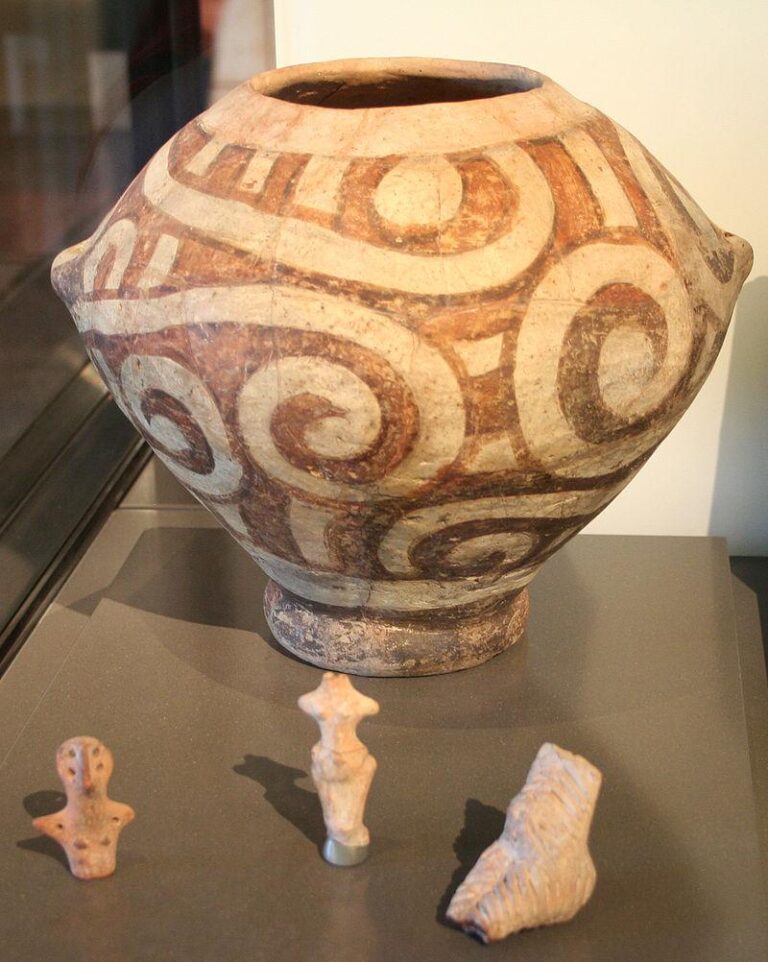
- Iurceni, in Nisporeni district, hosts the “Bâlciul Olarilor” (Potters’ Fair) every autumn — one of the country’s oldest craft festivals, now in its mid-thirties, where dozens of potters fire clay in traditional kilns and sell everything from everyday cooking pots to Cucuteni-style decorative pieces.
- Hoginești, in Călărași district, is home to potter Vasilii Gonceari’s workshop, where visitors can see — among other things — the largest clay jug in the region, over two metres tall.
- Ciorești, in Nisporeni district, has the Ceramica Triboi centre, where master potter Zaharia Triboi and his son run hands-on pottery workshops, with a restaurant on site serving traditional food.
None of these require advance planning the way a winery tour does — you can generally just show up, though timing a visit around the autumn Potters’ Fair in Iurceni is worth planning for if pottery is the reason you’re going.
A few things worth knowing before you go
- Distances are short. Nothing above is more than about two hours from Chișinău, and most of it is closer to one, you can realistically combine a monastery, a village guesthouse and a winery in a single overnight trip.
- Book rural guesthouses ahead, even simple ones. Most are small family operations with a handful of rooms, and many can also arrange meals, wine tastings or guided walks if you ask when booking rather than on arrival.
- Cash still matters outside the capital. Cards are common in Chișinău but far less reliable in villages, carry Moldovan lei for guesthouses, roadside stalls and small wineries.
- Seasons change what’s on offer: spring and summer are better for hiking and cycling routes; autumn is harvest season for both wine and pottery (the Iurceni fair runs in September); winter brings horse-drawn sleigh rides and Christmas carols in some of the same villages that host summer wine tastings.
The countryside doesn’t organize itself into a checklist the way a city does, but these are the specific places where that “authentic Moldova” feeling stops being a vague promise and becomes an actual address you can drive to.

GuideMoldova.com
Keep in touch with our news & offers
Subscribe to Our Newsletter
Thank you for subscribing to the newsletter.
Oops. Something went wrong. Please try again later.