
Chișinău isn’t a city of postcards; it’s a city of layers. It rewards the observer who doesn’t rush. To understand it, you need to walk its wide boulevards, feel the heavy architectural hangover of its Soviet history, and lose yourself in its massive, forest-like green labyrinths.For decades, Moldova’s capital has been dismissed as a grey …
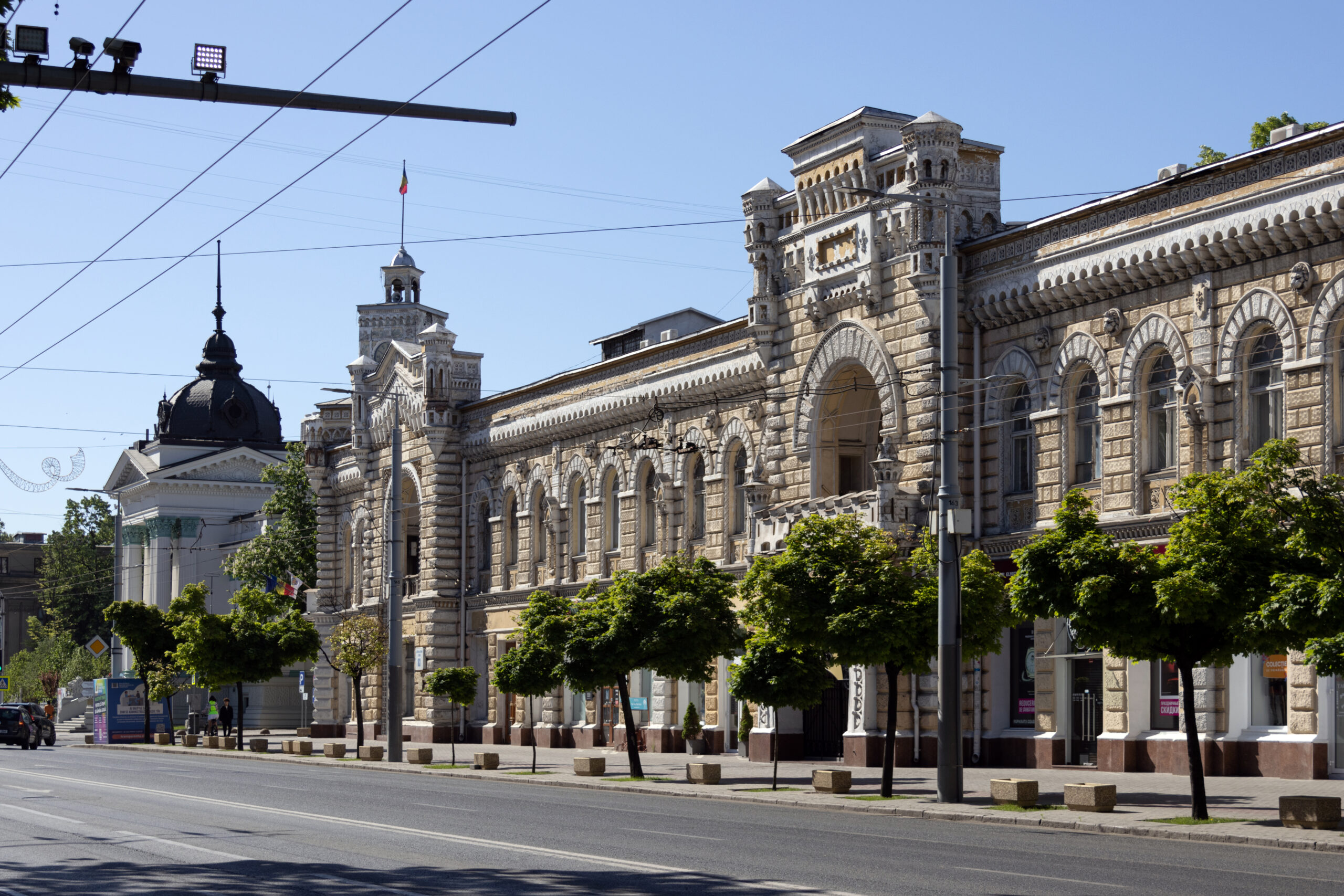
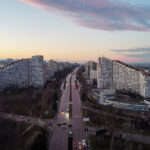
Walking down Ștefan cel Mare Boulevard, I felt like I was moving through a time machine. Looking up, the city’s complex DNA becomes obvious: grand, austere Soviet administrative blocks stand shoulder-to-shoulder with low-slung, crumbling Tsarist-era houses. The grey, heavy residential blocks aren't just concrete; they are softened by ornate local balconies, wild grapevines climbing up fire escapes, and a distinct local resilience that refuses to let the atmosphere feel entirely cold.
The Central Market (Piața Centrală) is the city’s unfiltered, chaotic heart. When I first stepped into Piața Centrală, a sprawling, open-air labyrinth, the scent of fresh dill and bruised parsley collided instantly with the heavy aroma of smoked pork and salty sheep’s cheese (brânză). I stood there listening to the sharp clink of Moldovan Leu coins, the bartering in a seamless blend of Romanian and Russian, and the quiet murmurs of elderly ladies selling walnuts by the plastic cup. It is raw, unpolished, and completely intoxicating.
The Wine and Food Culture: Sitting at a shaded terrace with a sweat-beaded glass of Viorica, a crisp, intensely aromatic indigenous white wine, felt like the perfect escape from the midday heat. When my Mămăligă arrived, steaming hot and yellow on a wooden board, served with sour cream (smântână) and a biting garlic sauce (mujdei), I realized Moldovan cuisine doesn't hide behind fancy plating. It is simple, heavy, unpretentious, and incredibly honest.

2. My 2-Day Chișinău Itinerary
Day 1: Soviet Monoliths and Modern Wine Bars
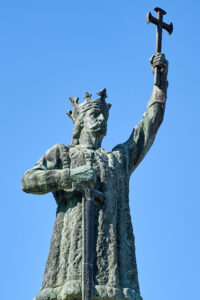
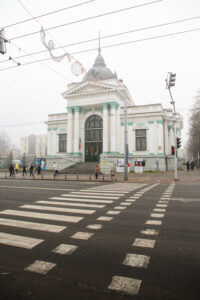
Morning: I started my first morning at the Triumphal Arch, a modest but elegant white-stone monument built in 1840. Directly across the boulevard sits the Government House, a massive, intimidating grey monolith that perfectly captures the scale of socialist ambition. I took a slow walk into Ștefan cel Mare Park, found a shaded bench, and watched the city wake up: old men setting up chess pieces on public tables, and street vendors selling rich, hot espresso from the backs of modified tiny cars.
Afternoon: Next, I walked over to the National History Museum. I highly recommend skipping the standard weapon displays and heading straight for the massive, haunting USSR-era dioramas that depict WWII battles with cinematic, dramatic lighting. Afterward, I climbed the nearby Water Tower (Turnul de Apă). The narrow spiral staircase led me to an observation deck offering a 360-degree view of Chișinău’s true nature: a sea of red-tiled roofs completely swallowed by a dense, green canopy of trees.
Evening: As the sun set, I headed to the pedestrian-only Eugen Doga Street. I bypassed the generic cafes and walked into an intimate wine bar, Invino (though Carpe Diem is just as good). Moldova has the highest density of vineyards per capita in the world. I asked the sommelier for a flight of local varieties and fell in love with the crisp Fetească Regală and the deep, velvety Rara Neagră. This is where Chișinău’s modern, sophisticated, and cosmopolitan side truly shines.
Day 2: Markets, Green Escapes, and Retro Nostalgia
Morning: The Market DiveI dedicated my second morning to a deeper dive into Piața Centrală, giving myself two hours just to get lost. I wove through the indoor cheese pavilions—where rows of women offered me samples of brânză straight from wooden barrels—and the outdoor stalls stacked with vibrant seasonal fruits or jarred gogoșari (pickled peppers). I ended up buying a small jar of local linden honey from an independent beekeeper; it remains the most authentic souvenir I brought home.
Lunch: For lunch, I found a local restaurant, La Plăcinte, to experience the ultimate Moldovan comfort food: Plăcinte cu brânză de vacă și mărar (flaky pan-fried pastries stuffed with fresh cottage cheese and dill). It was fast, incredibly cheap, and deeply tied to local family traditions. It pairs perfectly with a cold local lager.
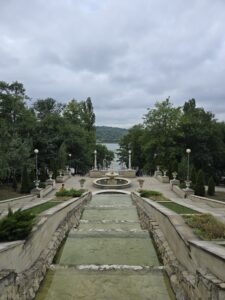
Afternoon: When the concrete grit began to feel too heavy, I headed straight to Valea Morilor Park. I walked down the grand, restored Cascade Stairs and joined the locals for a walk around the central lake. Within five minutes, the city noise completely vanished, replaced by the sound of wind through the pines and kayakers practicing on the water. It’s a transition from urban bustle to serene nature that defines the rhythm of life here.
Evening: I concluded my trip with dinner at Fuior. I ordered a slow-cooked beef stew with sarmale (tiny cabbage rolls), poured a final glass of Moldovan red wine, and simply embraced the slow, unhurried pace of a city that refuses to be rushed.
3. My Practical Travel Tips for First-Timers
- Walk, Don’t Drive: I found the historical center highly walkable thanks to its strict grid system. However, the pavements can be quite uneven, so leave your formal shoes at home.
- Look for the Green: If the Soviet concrete ever feels overwhelming, remember that Chișinău is one of Europe’s greenest cities. I noticed there was always a park, square, or hidden alleyway garden within a 10-minute walk.
- Cash is Mandatory for Markets: While almost every restaurant, wine bar, and supermarket accepted my digital payments and credit cards, the Central Market operates strictly on Moldovan Leu (MDL) cash. Keep a few small bills in your pocket.

Comments
VB
Thanks for this article!
GuideMoldova.com
Thanks for the info.