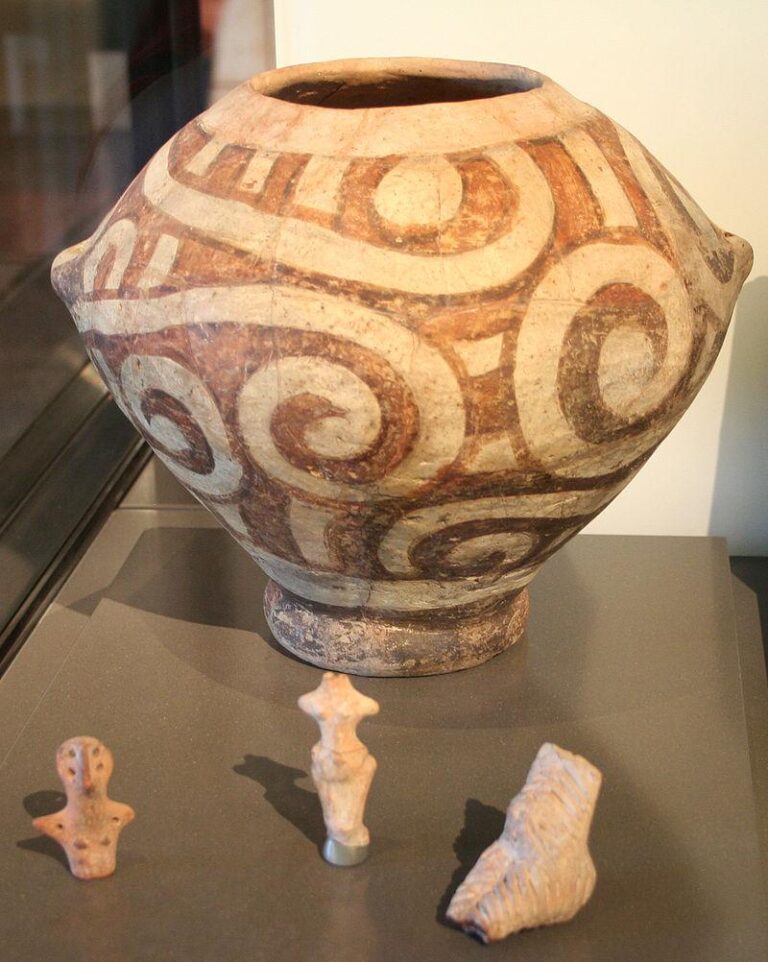
Explore Transnistria in 2026 with this transnistriatravelguide to Tiraspol, Bender, and other must-see destinations. The first mistake many travelers make in Transnistria is believing they can understand the region in just a couple of hours. They arrive curious, photograph a few Soviet monuments in Tiraspol, walk through Bender Fortress, cross the border back into Moldova, …
Transnistrian Region Travel Guide 2026: Tiraspol, Bender and Beyond
Explore Transnistria in 2026 with this transnistriatravelguide to Tiraspol, Bender, and other must-see destinations.
The first mistake many travelers make in Transnistria is believing they can understand the region in just a couple of hours. They arrive curious, photograph a few Soviet monuments in Tiraspol, walk through Bender Fortress, cross the border back into Moldova, and leave convinced they’ve seen everything.
The truth is different. Transnistria doesn’t reveal itself immediately — it asks visitors to slow down, look past the obvious landmarks, and notice details that are easy to miss. The monuments tell only part of the story; the rest is in the everyday life around them. That’s the idea behind this transnistriatravelguide: not just a list of attractions, but a way into a region that’s become one of Eastern Europe’s most intriguing destinations precisely because it refuses to fit neatly into expectations.
Tiraspol: more ordinary than you’d expect, and more layered than a quick visit suggests
Arriving in the city for the first time can feel surprisingly ordinary. Wide, tree-lined boulevards welcome visitors rather than tourist crowds. Students hurry to Shevchenko Transnistria State University, cyclists pass through quiet side streets, and cafés along 25 October Street — the city’s main avenue — slowly fill with locals over morning coffee. It takes only a few minutes to realize that daily life here is far more familiar than the image most travelers arrive with.
Walk further and another side of the city emerges. Government buildings, Soviet-era apartment blocks and newer developments sit next to each other, while independent restaurants and small businesses — many clustered near the central market — show a community looking forward as much as it holds onto its past. One of the odder details worth watching for: the glossy Sheriff supermarkets and sports facilities that dominate the city’s retail life, owned by the conglomerate that also runs the local football club — a strikingly modern presence against the Soviet backdrop everywhere else.
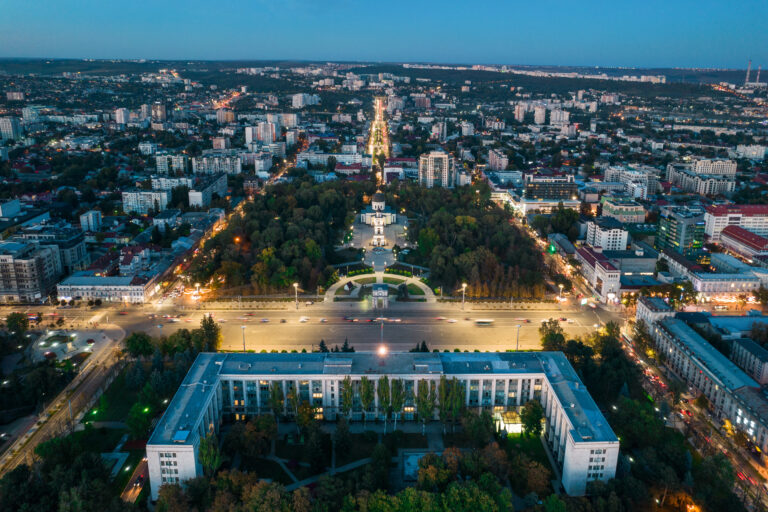
No visit feels complete without spending time in Suvorov Square, the symbolic heart of the city, named for the Russian general credited with founding Tiraspol. The parliament building, the large Lenin statue out front, and the surrounding war memorials create a distinctive atmosphere — but what most visitors remember isn’t the architecture itself. It’s the feeling of watching ordinary life unfold in a place they’d only known before through headlines: pensioners on benches, students on their phones, a market seller arranging flowers.
Following the Dniester to Bender
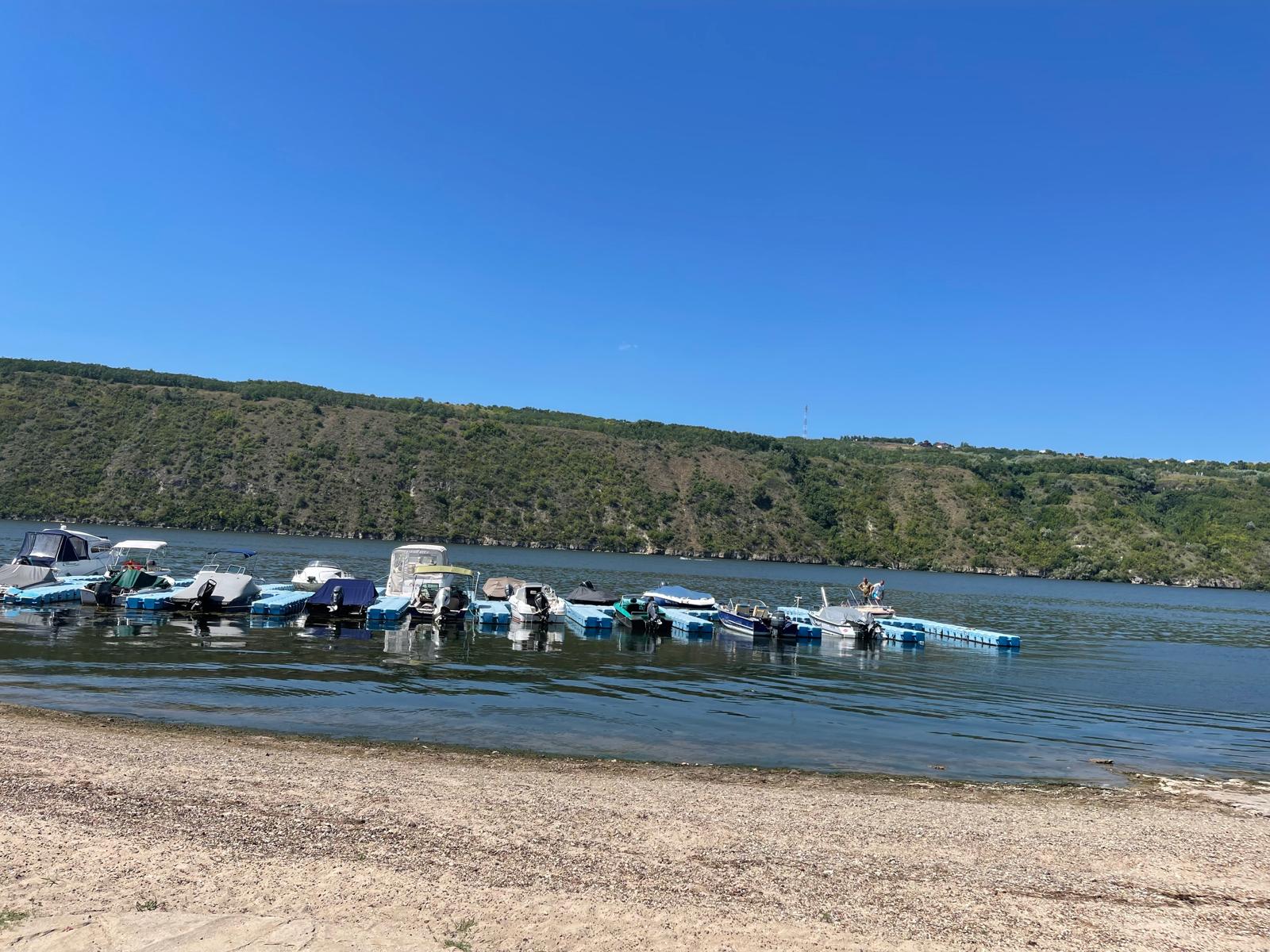
Leaving Tiraspol, the road follows the Dniester river toward Bender, one of the oldest cities in the region, about 12 km away. The drive is short, but the scenery shifts gently — villages, garden plots and riverside landscapes replace the city’s broad avenues, a reminder that Transnistria isn’t defined by a single destination but by the relationship between its towns, its countryside and the river that has shaped all of it for centuries.
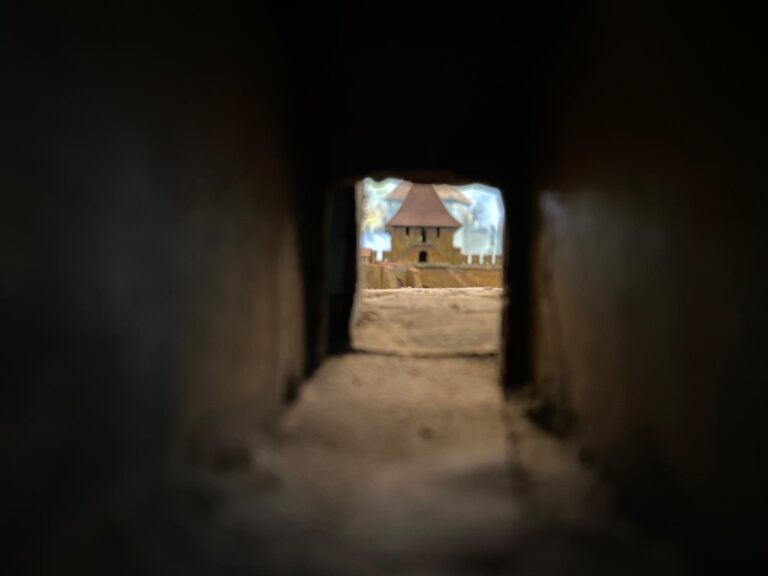
Bender Fortress dominates the skyline well before you reach the entrance. Built by the Ottomans in the early 16th century and reinforced over the centuries by the empires that followed, it has witnessed some of Eastern Europe’s more significant historical turning points. Walking through its stone gateways, along the defensive walls, and looking out across the Dniester, it becomes clear this is more than a military relic — it’s a place where several civilizations crossed paths, and the layers are still visible in the stonework itself.
Beyond Tiraspol and Bender
One of the real pleasures of exploring the region is what happens once you keep driving past the two best-known stops. The pace slows further: quiet villages sit among fertile fields, roadside stalls sell honey, seasonal fruit and homemade preserves, and the Dniester keeps pace with the road for much of the way. These are the places where you’re unlikely to run into a tour group, which makes even a short stop feel unusually personal.
The river itself deserves more attention than it usually gets. For centuries it’s connected communities, carried trade and shaped the region’s history — today its banks offer some of Transnistria’s most striking scenery, especially in spring and autumn, when the surrounding countryside turns green or gold. Watching it from a quiet stretch of riverbank in the evening light gives a very different impression of the region than the political framing that usually precedes a visit.
What to eat
Food captures a real part of Transnistria’s identity: menus draw on Moldovan, Ukrainian and Russian traditions in roughly equal measure, producing a cuisine that feels both familiar and distinct. Expect hearty soups like borsch and solyanka, handmade dumplings (pelmeni and vareniki), grilled meats, seasonal vegetables and generous homemade desserts, usually served alongside local wine, kvass, or fruit compote. Meals aren’t rushed here, and the best recommendations tend to come from a waiter or a local at the next table rather than a guidebook — Tiraspol’s cluster of small restaurants near the central market and along 25 October Street is a good place to start asking.
Timing your visit
Transnistria changes character as the day goes on, which is worth planning around. Mornings bring quiet streets and half-empty cafés. By afternoon, parks and public squares fill up as families gather after work and school. As evening approaches, restaurants fill with conversation and the riverside promenades along the Dniester become popular meeting spots, with the whole place taking on a warmer, more relaxed atmosphere. A single rushed afternoon shows you the monuments; staying through the evening shows you the region this transnistriatravelguide is actually trying to describe.
What travelers actually remember
The memories visitors take home are rarely the ones they expected going in. They remember the fortress and the broad avenues of Tiraspol, certainly — but just as often, they remember the flower seller outside the central market, the waiter who insisted they try a specific dish, the retirees playing chess under the trees in Suvorov Square, or a guide’s offhand comment about how differently history reads depending on where you’re standing.
That’s the real distinction between Transnistria and the destinations that usually dominate an Eastern Europe itinerary. It doesn’t compete with famous capitals or dramatic scenery. It offers something rarer: an invitation to stay curious rather than reach for certainty. Every traveler arrives with assumptions about the place — most leave with stories instead, and that shift is really the point of any transnistriatravelguide worth reading: not just where to go, but why slowing down there is worth the extra hour.
📖 Planning a longer stay? Our full digital guide goes deeper than this overview — restaurant picks, village stops along the Dniester, and a realistic day-by-day itinerary for Tiraspol, Bender and beyond. Get the digital guide here. Prefer a guide to show you around in person? Our colleagues at VoyageMoldavie https://voyages-moldavie.com/ can arrange one.

GuideMoldova.com
Keep in touch with our news & offers
Subscribe to Our Newsletter
Thank you for subscribing to the newsletter.
Oops. Something went wrong. Please try again later.