A complete practical guide to visiting Transnistria — how to get there, what to see, money, language, and what to expect at the border.Transnistria is a narrow strip of land squeezed between the Dniester river and the Ukrainian border, running its own government, army, currency and license plates since the early 1990s — without being …
Transnistria Travel Guide: Everything You Need to Know Before You Go
A complete practical guide to visiting Transnistria — how to get there, what to see, money, language, and what to expect at the border.
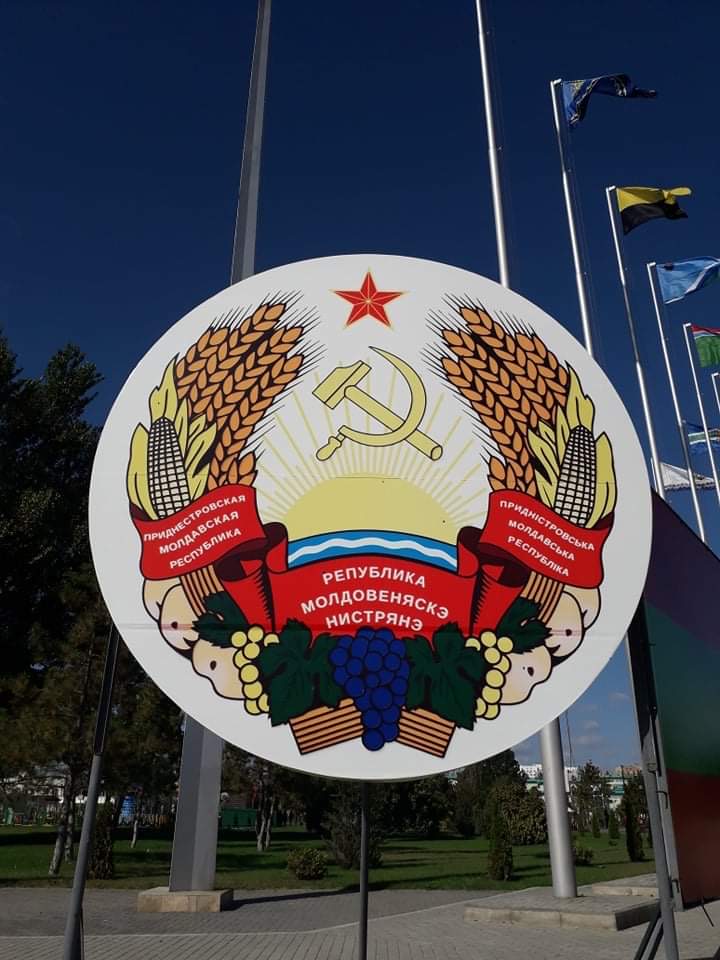
Transnistria is a narrow strip of land squeezed between the Dniester river and the Ukrainian border, running its own government, army, currency and license plates since the early 1990s — without being recognized as a country by anyone, including Russia. It’s usually visited as a day trip from Chișinău, and it remains one of the most unusual, well-preserved slices of Soviet-era Europe still standing. Here’s what to actually know before you go.
Do you need a visa?
No. Citizens of most countries, including the EU, UK, US, Canada and Australia, can enter without a visa. What you will need is your passport — an ID card isn’t accepted — and a few minutes at the checkpoint, where you’ll receive a migration card. This slip states how long you’re permitted to stay (a same-day visit is standard; longer stays are simply requested and usually granted without much fuss if you have accommodation booked). Your passport won’t be stamped, but keep the migration card safe — you’ll need to hand it back when you leave.
How to get there
By marshrutka (minibus) — the easiest and cheapest option. These leave from Chișinău’s Central Bus Station, right behind the Central Market, roughly every 20–30 minutes from early morning until early evening. Look for a minibus marked “Tiraspol” or “Тирасполь” (destinations to Bender are also common). Tickets cost somewhere in the 35–60 MDL range (roughly €2–3) depending on the route and current pricing, bought at the ticket window or directly from the driver. The bus makes a short stop at the checkpoint for the migration card process, and the whole journey to Tiraspol takes around 1.5–2 hours depending on traffic and the border.
By taxi or rideshare app. A taxi from Chișinău to Tiraspol costs roughly $20–30 one way — worth it if you’re short on time or traveling with a group, though it’s worth negotiating or agreeing the fare before you leave.
By guided tour. Several Chișinău-based operators run day tours that handle the border paperwork, transport and a fixed itinerary (usually Tiraspol plus Bender Fortress) for you — a good option if you’d rather not navigate the marshrutka system on your first visit.
From Odesa, Ukraine. It’s also possible to reach Transnistria from the Ukrainian side, though marshrutkas on this route run less frequently, and it’s worth checking the current border situation before planning this direction specifically.
What to see
Tiraspol
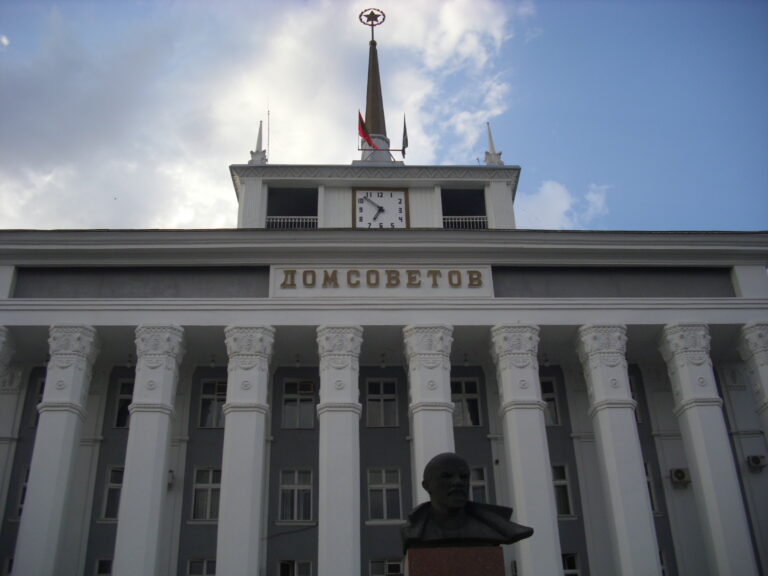
The de facto capital is built almost entirely around Soviet-era landmarks that vanished from most of the rest of Europe after 1991:
- The Lenin statue outside the parliament (Supreme Soviet) building — one of the largest still standing anywhere
- The T-34 tank memorial, commemorating World War II
- Suvorov Monument, honoring the Russian general credited with founding the city
- October 25th Street, the main avenue, good for simply walking and taking in the atmosphere
- Victory Park, with more Soviet-era war memorials
- The famously incongruous Sheriff supermarket and sports complex — Transnistria’s dominant conglomerate owns almost everything, including the football club, and its glossy modern stores sit oddly against the Soviet backdrop everywhere else
- KVINT, the well-known local distillery producing cognac and brandy, which some visits pair with a tasting
Bender (Tighina) Fortress
An Ottoman-built fortress on the banks of the Dniester dating to the early 16th century — genuinely older and more substantial than most visitors expect, and one of the region’s most significant historical sites regardless of its more recent political history. Bender itself sits right at the main checkpoint coming from Chișinău, so it’s easy to combine with a Tiraspol visit in a single day.
Other stops worth knowing about
- The sturgeon farm outside Tiraspol, one of the largest in Europe, producing caviar that ends up on tables far beyond Moldova
- The Nativity Cathedral in Tiraspol, one of the region’s main Orthodox churches
- Smaller Soviet monuments and murals scattered through both cities, which most guides or taxi drivers are happy to detour for on request
Money
This is the detail that catches the most first-time visitors off guard: international cards don’t work in Transnistria. No Visa, no Mastercard, no international ATMs. Bring cash — Moldovan lei, euros or US dollars all work — and exchange it locally into Transnistrian rubles (PRB), available at exchange points in both Tiraspol and Bender. Any rubles you have left over can’t be spent or exchanged once you cross back out of the region, so it’s worth changing only what you expect to use, or spending the last of it on something small before you leave.
Language
Russian is the dominant language, alongside Moldovan (written in Cyrillic here, unlike the Latin alphabet used in the rest of Moldova) and Ukrainian. English is not widely spoken outside tourist-facing businesses, so a translation app or a few basic Russian phrases go a long way — though most people are used to visitors and reasonably patient about the language gap.
A few rules and courtesies worth knowing
- Be discreet with a camera around checkpoints, military installations or anything that looks official — this is one of the few genuinely firm rules, and it’s not worth testing.
- Locals generally prefer the term “Pridnestrovie” to “Transnistria,” which is seen as the Moldovan framing of the region. It’s a small courtesy that goes a long way with guides and locals alike.
- Foreign SIM cards generally don’t work. Wifi is available in most hotels, cafés and restaurants if you need to stay connected; a local SIM can be bought in Tiraspol from the region’s sole provider if you need data for longer than a day trip.
- If you’re staying overnight, hotels typically handle any required registration formalities as part of booking — just confirm this when you reserve a room.
How much time do you need?
A single day is genuinely enough. With Tiraspol just over 70 km from Chișinău, you can leave in the morning, cover Tiraspol’s main sights, stop at Bender Fortress on the way in or out, have lunch, and be back in Chișinău by evening. The standard same-day entry permit issued at the border is built for exactly this — no overnight registration to think about, no need to overplan. If you do want to stay longer (some travelers add a night to explore at a slower pace, or to use Tiraspol as a base for day trips further into the region), it’s straightforward to request extra days on your migration card at the checkpoint.
Is it safe?
Day to day, yes — most travelers describe Transnistria as calm and low-crime, and the overwhelming majority of visits, guided or independent, pass without any issue. That said, it’s worth checking your government’s current travel advisory for the region before you go, since consular support there is more limited than in the rest of Moldova. For the vast majority of visitors doing a straightforward day trip, though, this remains one of the more memorable and easy-to-manage detours in Eastern Europe.
📖 Want more detail before you go? Our digital guide covers Transnistria at greater length — a fuller list of sights, more on where to eat and stay, and tips for making the most of a longer visit. Get the digital guide here. Prefer to have someone else handle the logistics? Our colleagues at VoyageMoldavie can set up a guided tour for you.

GuideMoldova.com
Keep in touch with our news & offers
Subscribe to Our Newsletter
Thank you for subscribing to the newsletter.
Oops. Something went wrong. Please try again later.