Chișinău is not the kind of capital that impresses instantly. I say this as someone who lives here and sees how visitors react when they first arrive. It doesn’t have the obvious landmarks or dramatic first impressions you might expect from a European capital. But if you give it a bit of time, it starts …
Chișinău Explained: What to Expect from Moldova’s Capital
Chișinău is not the kind of capital that impresses instantly. I say this as someone who lives here and sees how visitors react when they first arrive. It doesn’t have the obvious landmarks or dramatic first impressions you might expect from a European capital. But if you give it a bit of time, it starts to make sense—and often, it grows on you in a way that’s hard to explain at first.
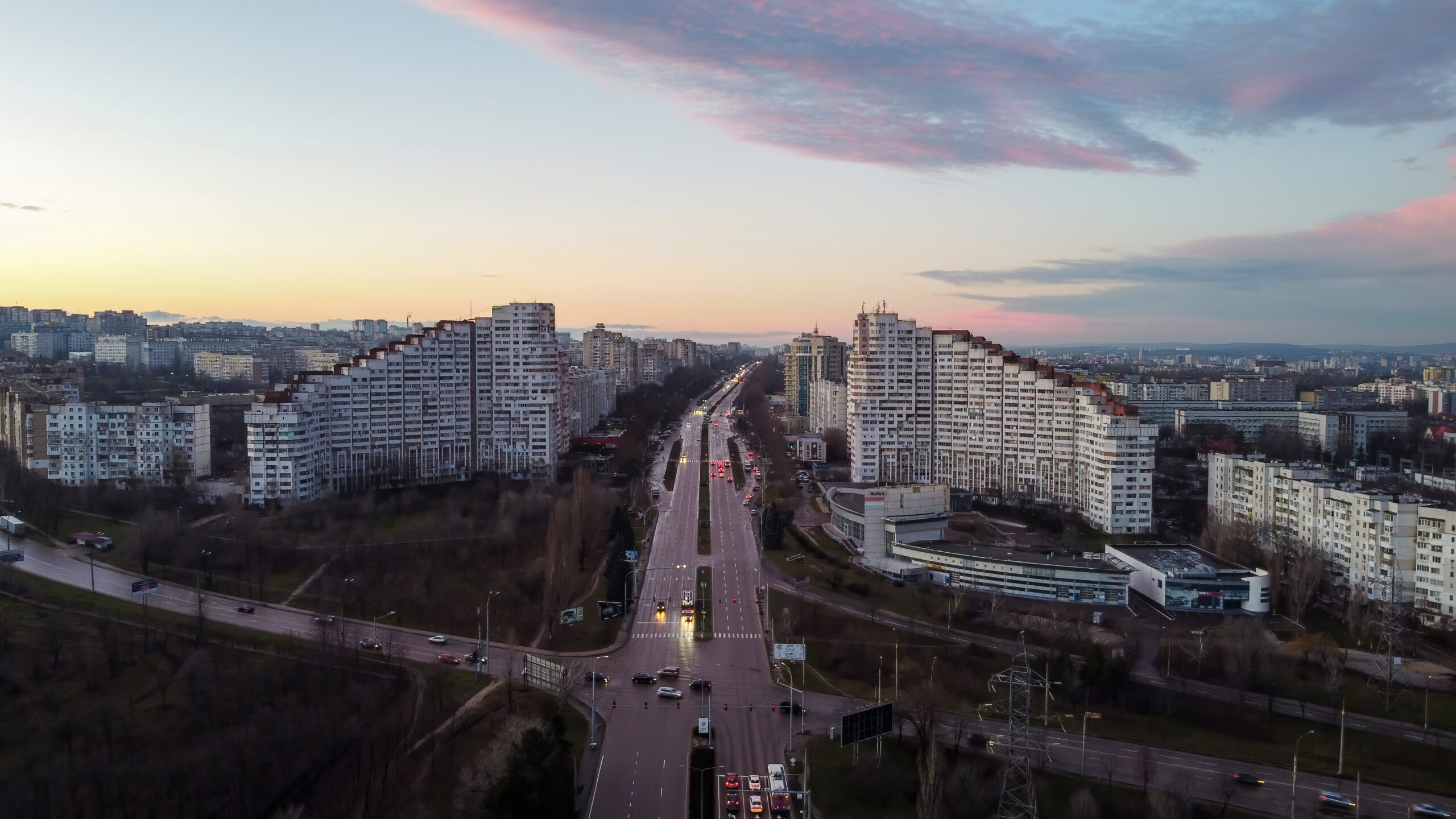
When people ask me what Chișinău is like, I usually tell them not to expect a “highlight-driven” city. The city is spread out, with wide boulevards, large residential areas, and relatively few obvious “must-see” attractions. But this first impression changes once you begin to move through it.
What stands out is not a single highlight, but a combination of elements:
green parks, everyday urban life, small architectural contrasts, and a pace that feels noticeably calmer than in most European capitals.
It’s a city that doesn’t try to impress. Instead, it invites you to observe (That’s how I would describe it to a tourist visiting for the first time).
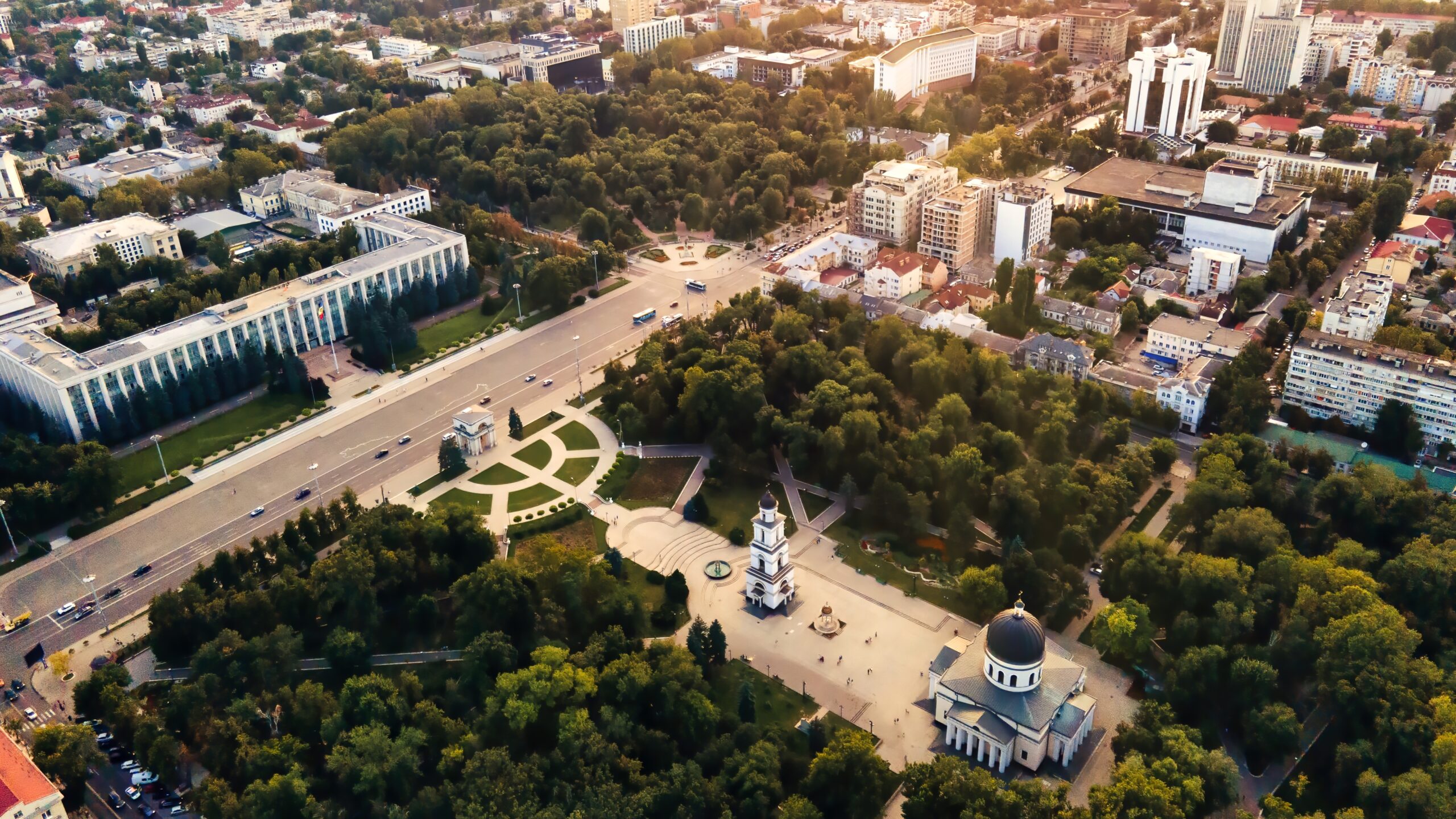
Photo credit: Freepik
What surprises most visitors
Almost everyone I talk to after their first day in Chișinău mentions the same things.
First, the greenery. Even in central areas, you’re never far from a park. It’s something locals take for granted, but visitors immediately notice it.
Then, the pace. Compared to other capitals, Chișinău feels slower, less crowded, less intense. For some, that’s confusing at first. For others, it’s exactly what they were looking for.
And then there’s the mix. You see Soviet-era buildings next to newer cafés, older structures next to modern developments. It’s not always visually “perfect,” but it’s honest. And once you understand that, the city becomes much more interesting.
Understanding the city through its layers
Chișinău becomes more interesting when you stop looking for landmarks and start reading its layers.
There are traces of its 19th-century past in parts of the city center, though they are fragmented rather than monumental. The Soviet period left a much stronger mark: wide streets, administrative buildings, and entire residential districts that define the city’s structure even today.
Since independence, a new layer has been gradually added. Restaurants, cafés, wine bars, and small cultural spaces are redefining parts of the city, giving it a more contemporary feel without fully erasing what came before. These layers don’t always blend seamlessly, but together they explain the city – and, in many ways, the country.
Photo credit: Freepik
What Chișinău is actually good for
Chișinău is not a checklist destination. It works best for travelers who enjoy cities that can be explored without pressure.
It’s a good place for long walks, especially in areas where parks and urban space overlap. It’s also one of the best places in Moldova to understand local food and wine in a relaxed, accessible way. Restaurants and wine bars play a much bigger role in the experience than traditional tourist attractions.
The city is also a practical base. From here, it’s easy to reach some of Moldova’s most important destinations, including wineries, monasteries, and rural areas that define the country more clearly than the capital itself.
Practical reality: easy to navigate, easy to understand
Chișinău is a manageable city. Distances are reasonable, though it can feel larger than it looks on a map. Walking works well in central areas, while taxis and ride apps are widely used and affordable.
The city doesn’t require complex planning. You don’t need to optimize every hour to “see everything,” because there isn’t a long list of must-see sights. Instead, the experience comes from how you spend your time, not how many places you check off.
Is Chișinău worth visiting?
Yes, if you understand what it offers. Chișinău is not a destination built around iconic attractions. It doesn’t compete with Europe’s major capitals in terms of architecture or scale. But that’s not its role.
It is worth visiting because it gives context. It helps you understand Moldova beyond stereotypes or assumptions. It introduces you to the country’s rhythm, its food culture, and its everyday reality.
For many travelers, it becomes more interesting after they leave than when they first arrive. I would recommend Chișinău to travelers who are curious, patient, and open to places that don’t explain themselves immediately. It’s a good fit for cultural travelers, food lovers, and anyone interested in discovering a different side of Europe.
I would not recommend it to someone who wants a fast-paced, attraction-heavy city break. That’s simply not what this city is.

Photo credit: Freepik

GuideMoldova.com
Keep in touch with our news & offers
Subscribe to Our Newsletter
Thank you for subscribing to the newsletter.
Oops. Something went wrong. Please try again later.