On July 17, 2026, Chișinău marks 590 years since its first documentary attestation. It's not just a round number — it's the perfect occasion to look back and see how a small settlement on the banks of the Bâc River became the capital of the Republic of Moldova. The Document That "Gave Birth" to the …
How Chișinău Was Born: 590 Years Since Its First Written Mention
On July 17, 2026, Chișinău marks 590 years since its first documentary attestation. It’s not just a round number — it’s the perfect occasion to look back and see how a small settlement on the banks of the Bâc River became the capital of the Republic of Moldova.
The Document That "Gave Birth" to the City
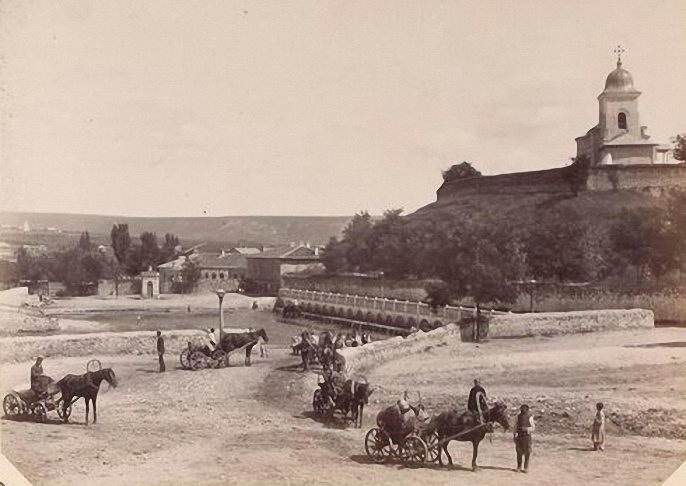
It all begins with a princely charter — a Deed of Confirmation — drawn up in Vaslui on July 17, 1436. The rulers of Moldavia at the time, Ilie and Ștefan, granted and confirmed to the chancellor (logofăt) Oancea, for his loyal service, several villages along the Răut, Ichel, and Bâc rivers — among them Procopinți, Măcicăuți, and Cozărăuți.
While establishing the boundaries of these estates, the document mentioned, in passing, a geographical landmark: a valley that fell “opposite the Cheșenău of Acbaș,” near a spring where the Tatar settlement (Seliștea Tătărească) stood. That “Cheșenău” is the first written mention of the name of today’s city — Chișinău wasn’t “founded” through a ceremonial act, but entered history almost by accident, as a boundary marker in a document about something else entirely.
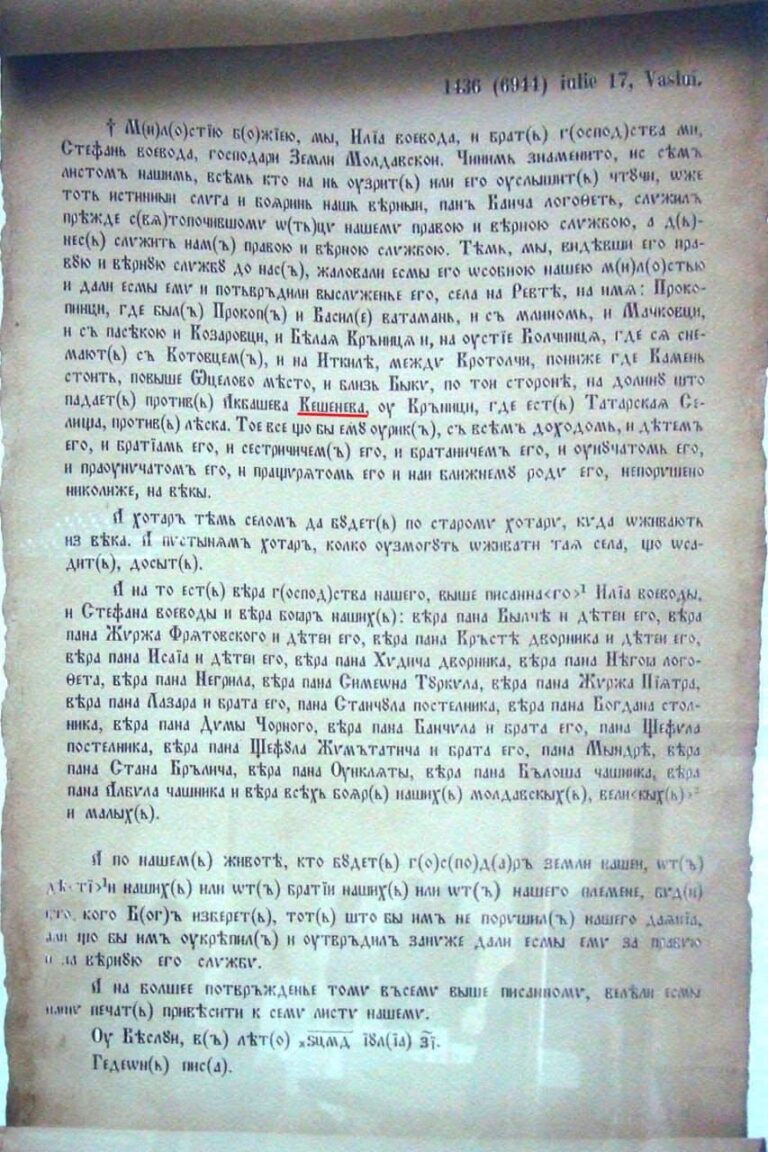
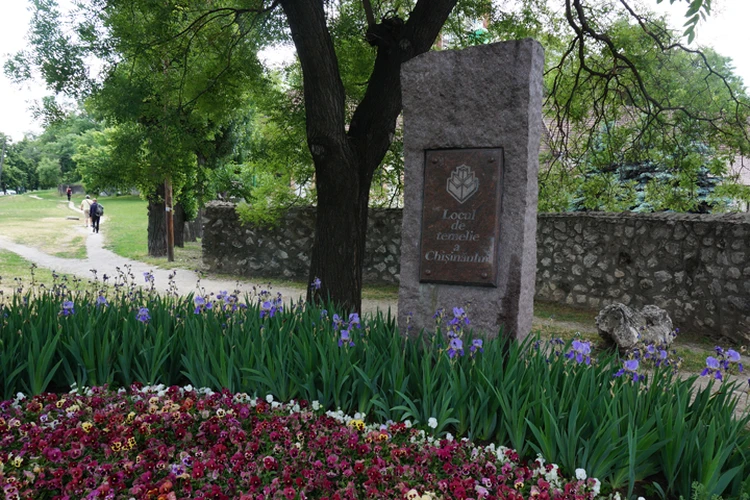
According to tradition, the spring mentioned in the charter flowed at the foot of Măzărachi Hill — a hill that took its name from Vasile Măzărache, the founder (ctitor) of the Nativity of the Virgin Mary church (Măzărachi church). It was right next to these waters that the first houses of Chișinău were built. Today, the spot is marked by the Chișinău Foundation Stone, placed on Albișoara Street, at the foot of the hill.
The area, incidentally, had been inhabited long before this moment: archaeologists have found traces of settlements dating back to the Stone Age, early Iron Age remains, and even 4th-century Roman coins — evidence of the local population’s ties to the Roman provinces of the Lower Danube.
The second documentary mention comes 30 years later, in 1466, through a charter of Ștefan cel Mare (Stephen the Great), by which the prince granted the Chișinău settlement to his uncle, boyar Vlaicu, at the Albișoara Spring.
From Village to Small Town: The First Steps of a Metropolis
After the first attestation, Chișinău appears frequently in documents alongside neighboring settlements, many of which are now districts or neighborhoods of the city:
- The village of Oțel (also attested in 1436), which from 1517 became the village of Ieremia Vistiernicul — today’s Visterniceni district;
- The village of Buiucani, attested during the reign of Ștefan cel Mare — it gave its name to today’s Buiucani sector;
- The village of Hrusca, attested during the reign of Ștefăniță;
- The villages of Vovinteni, Ghețioani, and Muncești.
Buiucani: one of the oldest settlements in the area
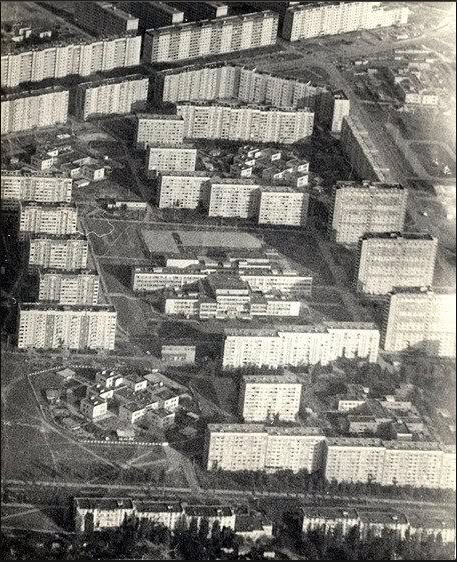
Buiucani (originally spelled “Buecani”) is one of the oldest settlements in the historical area of Chișinău, existing at least since the time of Ștefan cel Mare (Stephen the Great). Other villages later appeared in its vicinity — Ghețioani, Vovințeni, Muncești, and Schinoasa. The later history of Chișinău is closely tied to that of these surrounding villages, which, over the course of the 18th and 19th centuries, gradually became suburbs of the town. Their old names have survived to this day — not as independent villages anymore, but as the names of Chișinău’s sectors and streets.
During the last quarter of the 17th century and the first half of the 18th century, Chișinău grew into an important commercial center of the country, with a permanent fair trade taking hold. Steady commerce developed around the taverns and shops run by local merchants, as well as by monasteries and bishoprics — recent research has shown that monasteries, in general, were very active participants in urban trade.

The evolution of the town itself was slow and marked by repeated changes of status:
- 1576 — a document mentions Chișinău as a village in the Lăpușna district, with mills on the Bâc, sold by Văcsuița (great-granddaughter of Vlaicu Pârcălab) to Dragoș.
- Early 1640s — Chișinău becomes the property of three monasteries from Iași: Sfânta Vineri, Galata, and Frumoasa. This monastic ownership would last for nearly two centuries.
- 17th century — the chronicler Miron Costin mentions Chișinău, in his Polish Chronicle, among the towns of the “Lower Country” (Țara de Jos), while Dimitrie Cantemir, in his “Description of Moldavia,” describes it as a small, minor market town.
- 1666, during the reign of Eustratie Dabija — Chișinău is recorded as a market town (târg) in the Lăpușna district, and its inhabitants are called “târgoveți” (townspeople) for the first time. To reinforce this new status, Eustratie Dabija attached the village of Visterniceni to the town’s district, and Duca Vodă later extended it further with the village of Ghețioani.
- 1668 — the first administrative official (vornic) of the town, Panfil, is documented.
- 1677 — the first documentary attestation of Chișinău as a town in its own right.
- 1712 — in the records of the Moldavian chancellery, Chișinău is referred to exclusively as a market town: it housed shops, taverns, a marketplace, princely grain warehouses, as well as a bazaar with a stone hall, workshops, inns, and caravanserais. Foreign merchant communities also gravitated toward the center (Turks’ Street, Armenians’ Street, the Greeks’ and Serbs’ alleys).
- 1739 — the town is burned by the Ottomans, following a local uprising.
- 1752 and 1777 — the town’s first stone churches are built: the Măzărachi church (1752) and the Church of the Holy Emperors Constantine and Helena (1777).
Where Does the Name "Chișinău" Come From?
The exact etymology of the name is still debated. A theory suggests that the name may be derived from the archaic Romanian word chișla (meaning “spring”, “source of water”) and nouă (“new”), because it was built around a small spring, at the corner of Pușkin and Albișoara streets.
From the Capital of Tsarist Bessarabia to the Capital of the Republic of Moldova
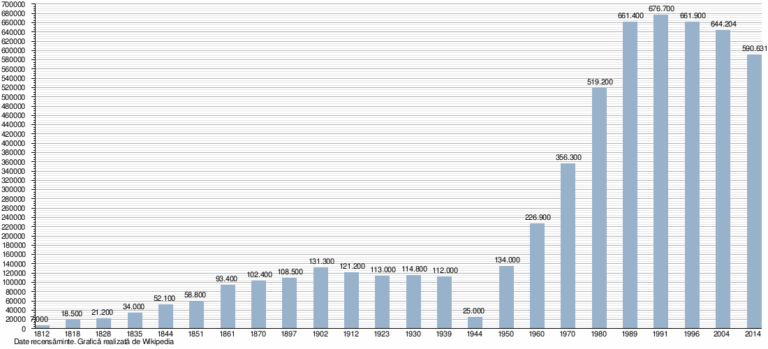
Following the Russo-Turkish War (1806–1812), the eastern half of Moldavia — which became known as Bessarabia — was ceded by the Ottomans to the Russian Empire. At that time, Chișinău was a modest town of about 7,000 inhabitants.
Contrary to a common assumption, the town did not immediately become the administrative capital. It remained under monastic ownership until 1818, and it was only on April 22, 1818, that it was declared the administrative center of the Bessarabia region. From that point on, the town grew rapidly: new institutions were built, and the first systematic urban development works began. By 1850, the population had reached 58,000 — an eightfold increase from 1812.
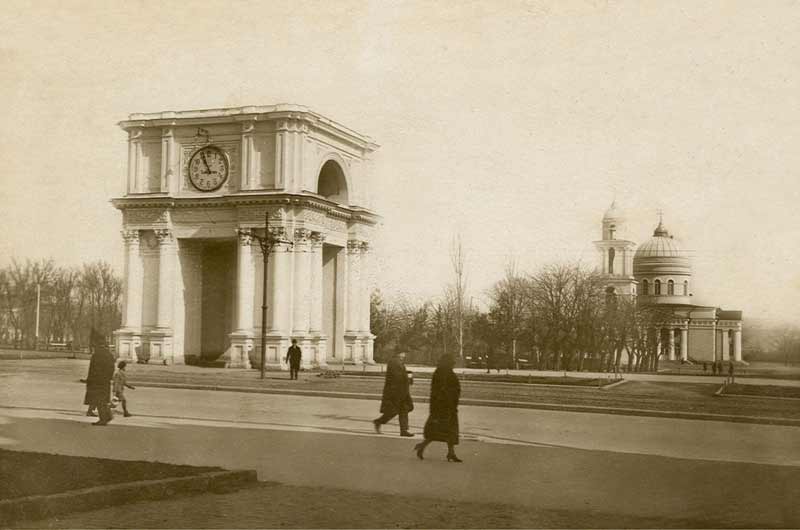
The following years brought the city’s first major public buildings: the Cathedral and Bell Tower (1830–1836), the Arc de Triomphe (1840–1841), the Public Library of the City Hall (1832), the Regional High School (1833), and the Bessarabia Pomology School (1842).
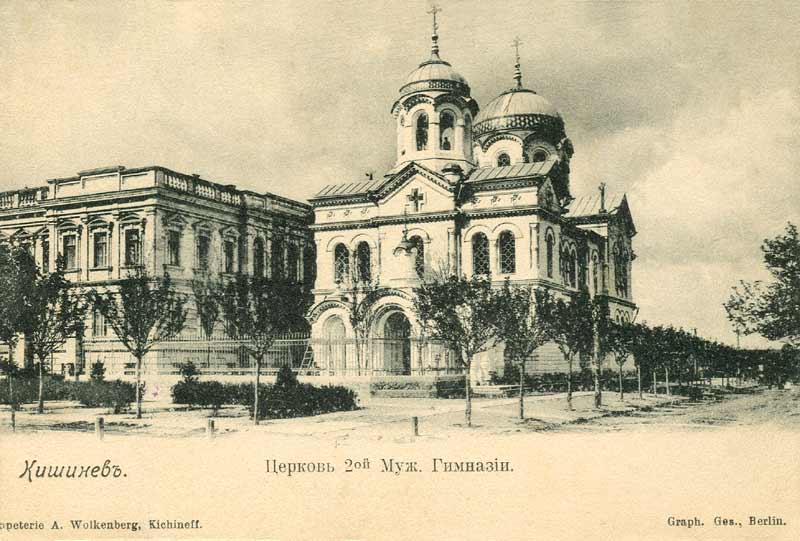
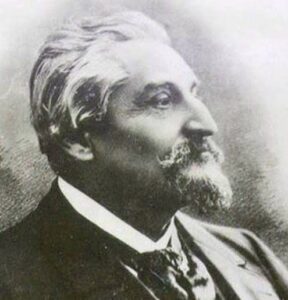 A turning point for the city’s appearance came in 1856, when Alexandru Bernardazzi became the town’s chief architect. Under his guidance, Chișinău gradually transformed into a European-style urban center: public buildings were constructed, streets and squares were paved, parks and public gardens were laid out, and gas lamps were installed along the main thoroughfares.
Modernization continued toward the end of the 19th century: the railway arrived in 1870, a local press emerged, and the town’s first water supply system opened in 1892. The town also expanded territorially, absorbing neighboring villages such as Visterniceni, Roșcani, Vovinteni, and Muncești.
On March 27, 1918, the Union of Bessarabia with Romania was proclaimed in Chișinău. The city became Romania’s second-largest and flourished culturally, gaining new schools, theaters, museums, and — in 1934 — the Romanian Social Institute, founded by Pantelimon Halippa.
On August 2, 1940, following the Soviet takeover, the Moldavian Soviet Socialist Republic was proclaimed with its capital at Chișinău. After World War II, the war-damaged city underwent a long reconstruction that shaped much of its urban look today.
On August 27, 1991, with Moldova’s independence, Chișinău became the capital of a sovereign state — a role it still holds. Today it has over 567,000 inhabitants (720,000+ in the wider municipality), and remains the country’s main economic, administrative, and cultural center.
How the 590th Anniversary Is Being Celebrated
This year’s anniversary is marked by a series of events organized by the Chișinău City Hall. The sixth edition of the “Te salut, Chișinău!” (“Hello, Chișinău!”) festival takes place from July 17–19 on Eugen Doga pedestrian street, bringing together artists from Moldova and Romania:
- July 17 — an evening dedicated to folk music and traditions.
- July 18 — a retro music evening, with HOLOGRAF from Romania as a special guest.
- July 19 — an evening of classical music.
Alongside the concerts, the festival includes an exhibition dedicated to the city’s history, folk craftsmen, and local producers.


Key Takeaways
July 17, 1436 — the date of Chișinău's first documentary attestation, through a charter issued in Vaslui by princes Ilie and Ștefan.
Over the course of 590 years, the city passed through the status of village, monastic estate (belonging to three Iași monasteries), market town (from 1666), town (from 1677), administrative center of Tsarist Bessarabia (from 1818), interwar regional capital, and finally, capital of an independent state (from 1991).
The oldest surviving stone churches are the Măzărachi church (1752) and the Church of the Holy Emperors Constantine and Helena (1777).
The Chișinău Foundation Stone, located on Albișoara Street at the foot of Măzărachi Hill, symbolically marks the site of the spring mentioned in the very charter of 1436.

GuideMoldova.com
Keep in touch with our news & offers
Subscribe to Our Newsletter
Thank you for subscribing to the newsletter.
Oops. Something went wrong. Please try again later.