In Moldova, you don’t begin with the wine list. You begin with the table.This is the first subtle cultural shift you will notice the moment you sit down in any local home or traditional restaurant in Chișinău. In western Europe or America, a meal often starts with a technical conversation: regions, vintages, tasting notes, and …
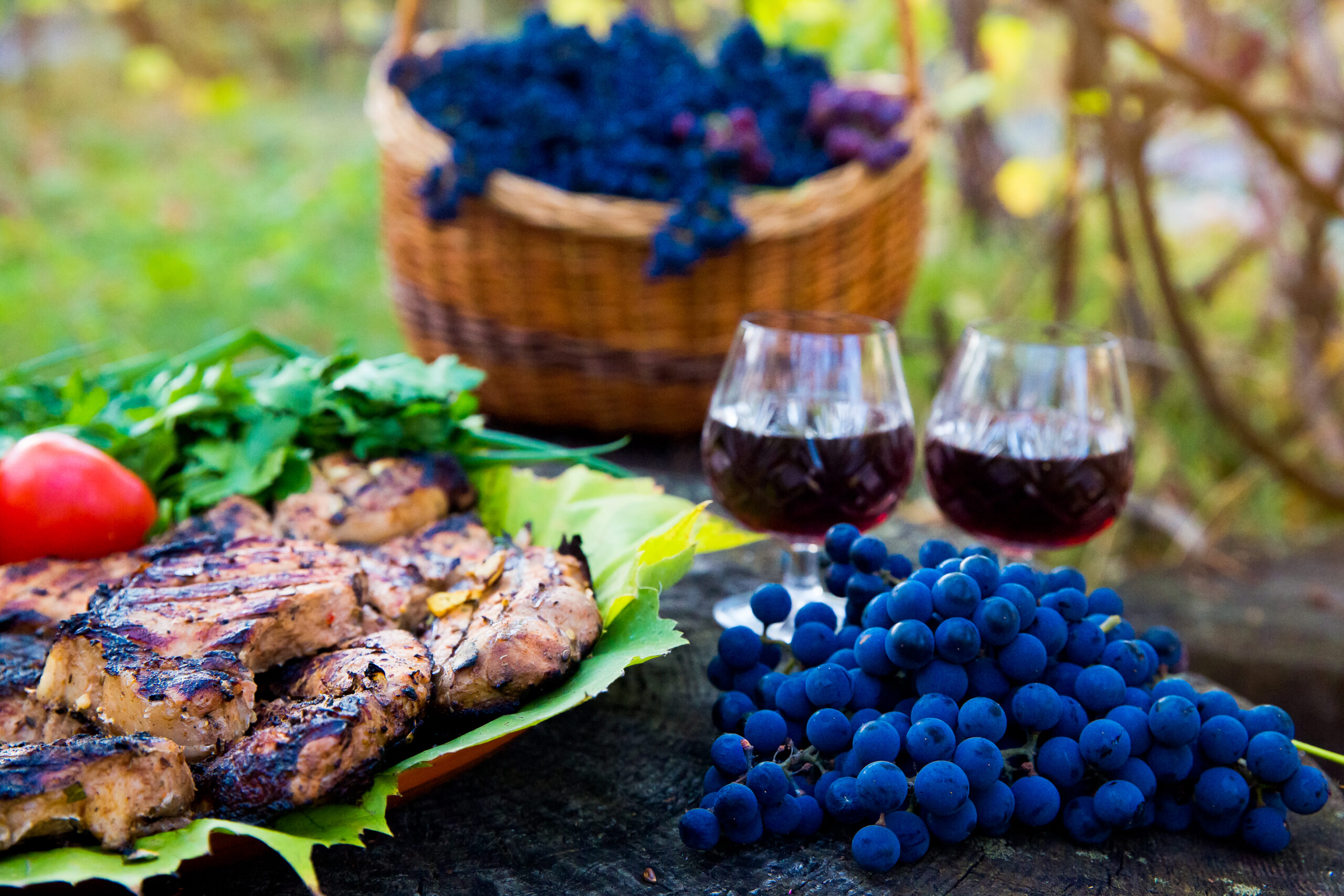
In Moldova, you don’t begin with the wine list. You begin with the table.This is the first subtle cultural shift you will notice the moment you sit down in any local home or traditional restaurant in Chișinău. In western Europe or America, a meal often starts with a technical conversation: regions, vintages, tasting notes, and calculated pairings. Here, the hospitality is far more instinctive. Before you even look at a menu, the table begins to fill: warm bread, a block of brânză, and small plates of pickled vegetables. The wine appears almost magically, poured without a grand speech or an over-rehearsed explanation.It doesn’t need a performance. In Moldova, wine isn't treated as a luxury item locked in a cellar for special occasions; it is an organic extension of the meal, just like bread or salt.
1. Accidental Pairings: The Logic of Heavy Food and High Acidity
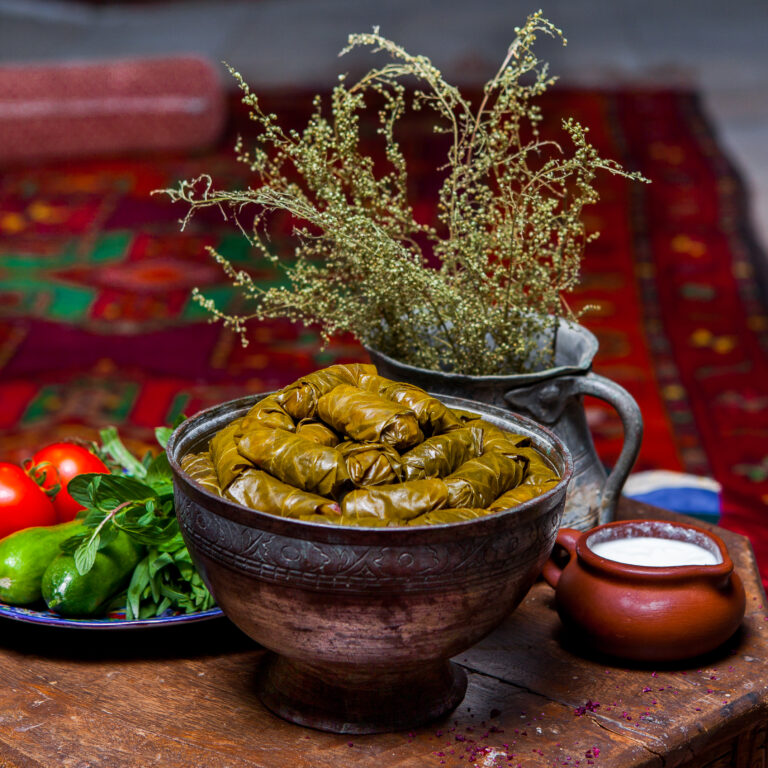
When you first see traditional Moldovan dishes like Plăcinte (flaky stuffed pastries), Sarmale (tiny cabbage rolls), or Mămăligă (porridge-like cornmeal), they might strike you as heavy, rustic, or intensely comforting. But these dishes were never designed in a modern test kitchen to match specific grape varieties. Instead, they evolved side-by-side over centuries in the exact same soil.Once your food arrives, the natural chemistry becomes obvious:
The Cut: The rich, buttery layers of a fresh cheese Plăcinte or the fatty richness of a pork Friptură demand a wine that can cut through the weight. This is where indigenous white wines like Fetească Regală or Viorica shine—their crisp, high acidity acts as a palate cleanser after every heavy bite.
The Settle: Slow-cooked, earthy textures like Sarmale sit beautifully alongside local reds like Rară Neagră. The wine’s soft tannins and bright sour-cherry notes don’t compete with the food; they settle into it, making a rustic dish feel surprisingly elegant. No one at the table will use the word "pairing," yet that is exactly what is happening in its purest, most unpretentious form.
2. Ditching the Fine Dining Etiquette
If you are used to the rigid rules of fine dining, you need to leave them at the door. In Moldova, the hierarchy of wine is intentionally downplayed. There is no snobbery about opening a bottle, no pressure to swirling your glass obsessively to detect "notes of wet stone," and no anxiety about drinking an "ordinary" table wine versus an award-winning vintage.The meal has a completely different, unhurried rhythm. Dinners routinely stretch for hours, not because the service is lagging, but because there is absolutely no urgency to finish. The wine follows this exact same slow pace, poured gradually, topped up casually, and enjoyed as a background track to loud, rolling conversations. Eventually, the strict course structure of the meal fades away, and your evening becomes a seamless flow of food, drink, and storytelling.
3. Where to Experience the Synthesis: From Caves to Chișinău
You can experience this seamless food-and-wine relationship in two very different settings: The Grand Estates. If you head out into the countryside to legendary wineries like Castel Mimi or Cricova, the experience is grand and theatrical. Here, food is intentionally used as context. You will taste a robust, oak-aged Cabernet Sauvignon or a complex Negru de Purcari inside historic tasting halls, accompanied by meticulously curated small plates designed to explain how the local microclimates shape the flavor profiles of the grapes. Back in Chișinău, restaurants like Vatra or modern culinary hubs take that exact same traditional logic and translate it into a contemporary format. They lighten up the historically heavy peasant dishes, emphasizing fresh, hyper-local ingredients while offering curated wine flights that highlight small-batch, independent Moldovan winemakers. It is a slightly more controlled experience, but it never feels rigid or intimidating.
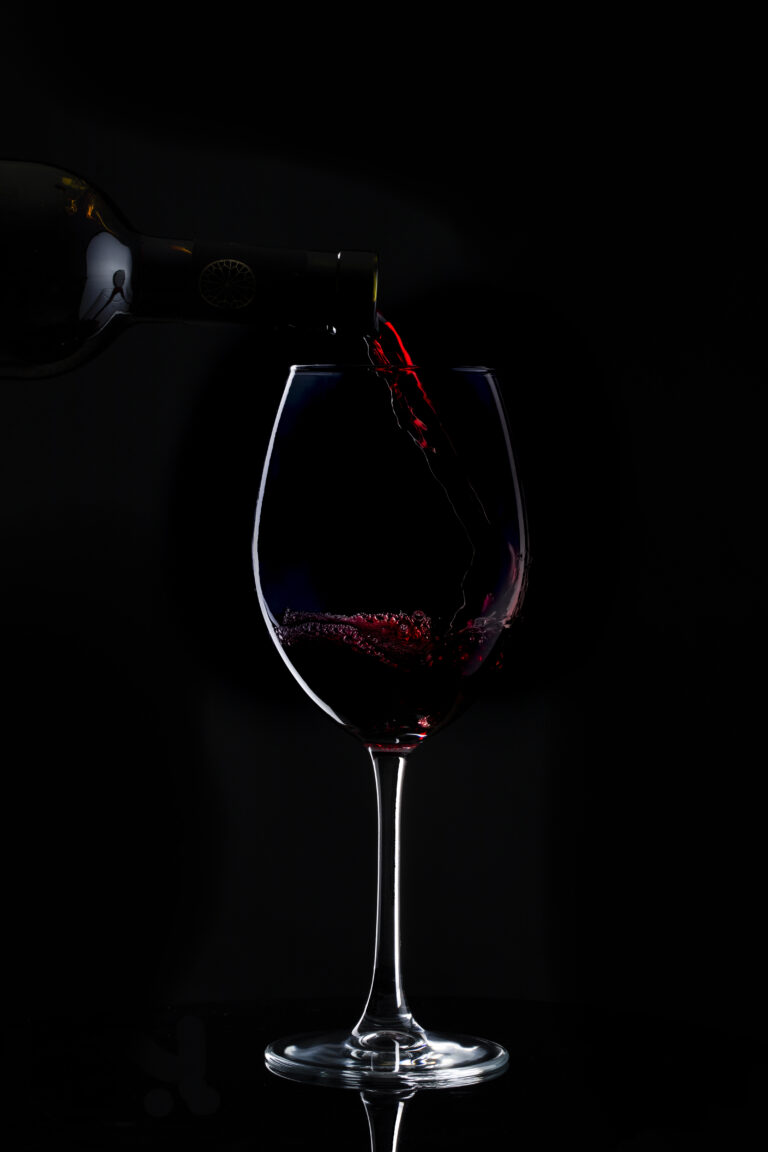
4. How to Let Go and Enjoy the Process
The biggest surprise awaiting you is how unforced everything feels. There is zero pressure to be a wine expert, and there is no "incorrect" way to enjoy your dinner.The Moldovan food and wine experience works best when you stop trying to control it.
Follow these simple rules for your weekend:
- Order a few sharing plates for the center of the table instead of individual courses;
- Stay an hour longer than you initially planned;
- Pick a local grape variety you’ve never heard of without overthinking it;
- Accept that not every single detail will be explained to you.
That is usually the exact moment when the spirit of the Moldovan table finally makes perfect sense.