If you only have time to leave Chișinău once, Orhei is the place that makes the most sense.It’s close enough to reach without effort, but different enough to feel like you’ve actually left the city behind.What makes the region interesting is not the number of attractions, but the way everything sits together — landscape, history, …
Best Things to See in the Orhei Region: A 2-Day Itinerary
If you only have time to leave Chișinău once, Orhei is the place that makes the most sense.
It’s close enough to reach without effort, but different enough to feel like you’ve actually left the city behind.
What makes the region interesting is not the number of attractions, but the way everything sits together — landscape, history, and everyday life, all layered in a relatively small space.
Two days are enough to understand it properly, as long as you don’t rush.
Day 1 — Orheiul Vechi and Butuceni
The first day naturally revolves around Orheiul Vechi.
It’s often described as an open-air museum, but that label doesn’t quite capture it. It’s less a site you visit and more a place you move through slowly.
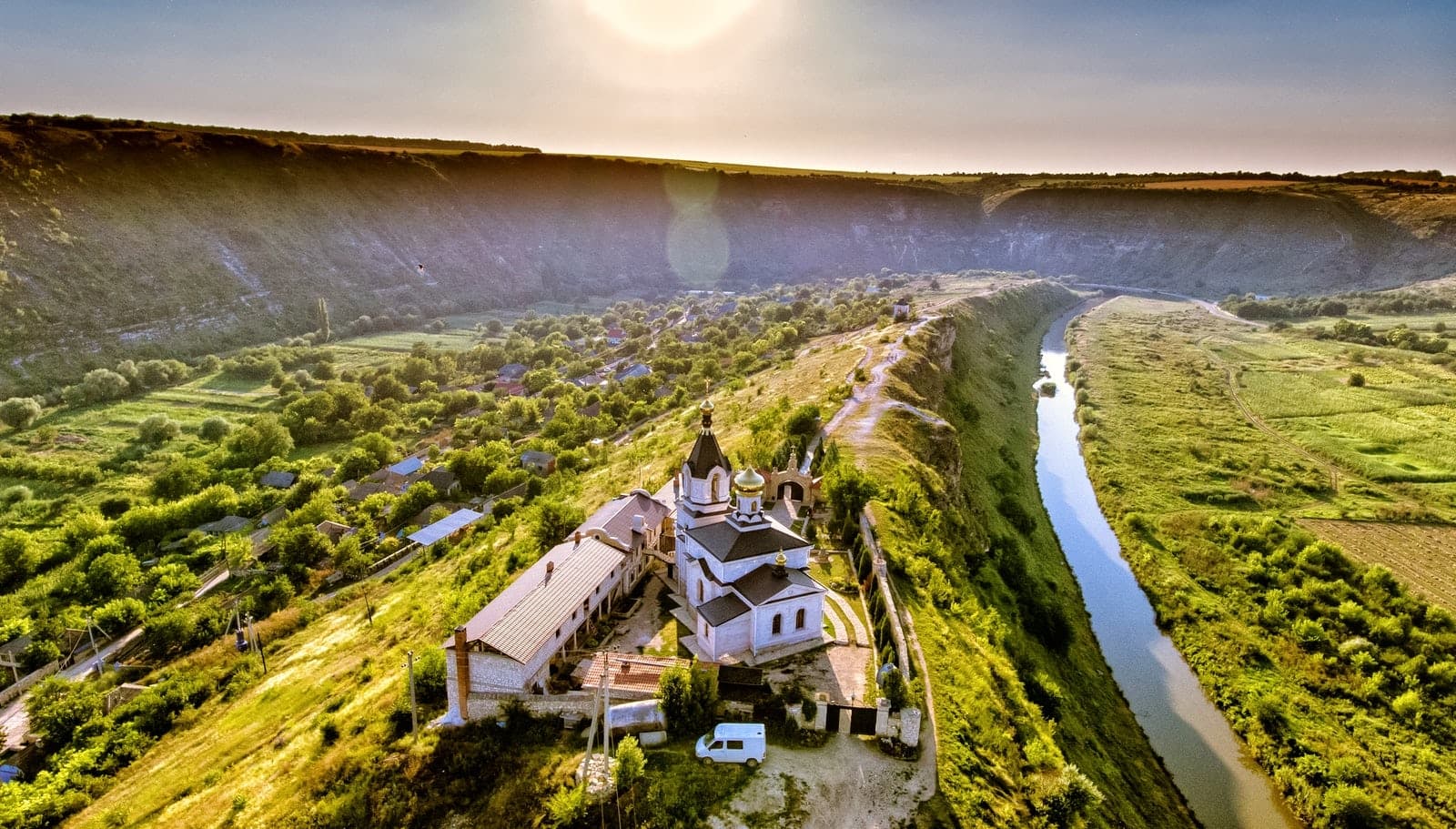
Cliffs, river bends, old ruins, and a cave monastery carved into the rock all exist within walking distance of each other, but the real experience is in how they connect.
It’s worth arriving early.
In the morning, the valley feels quieter, almost suspended. As the day progresses, it becomes more active, but that first impression — the stillness, the openness — tends to stay with you.
Walking Through the Landscape
There’s no strict route you have to follow.
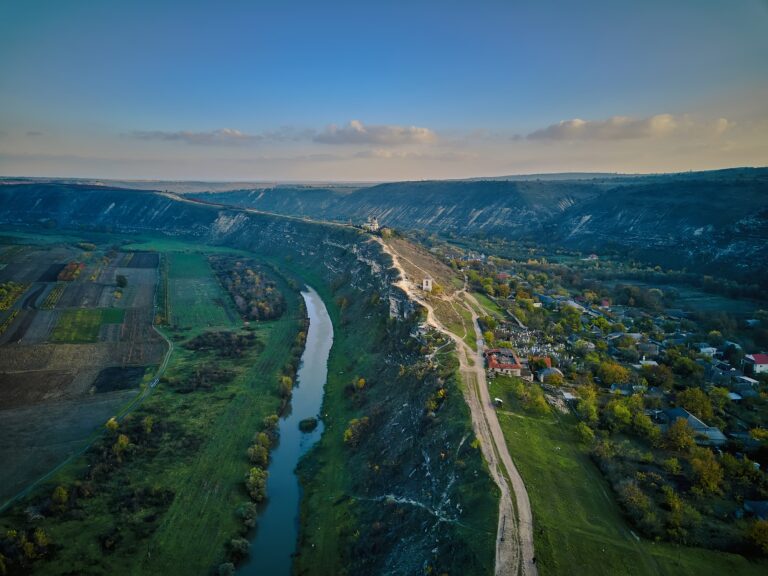
Walking along the ridge above the Răut River is enough to start understanding the place. You see how the landscape shapes everything: where people built, how they moved, why certain points feel more exposed and others more protected.
The cave monastery is one of the most visited spots, but it doesn’t feel overwhelming.
It’s small, carved directly into the cliff, and still active, which changes the atmosphere. You don’t move through it like a tourist attraction. You slow down, almost instinctively.
Butuceni and a Slower Rhythm
From there, it makes sense to walk down into the nearby village of Butuceni.
What’s important here is not to treat it as a “traditional village” in the tourist sense.
It isn’t staged. People live here, adapt their houses, go about their day. That’s exactly why it feels different.
You’re not looking at something preserved — you’re stepping into something ongoing.
Lunch is not just a practical stop. It becomes part of the experience.
In a local guesthouse, food is simple, seasonal, and tied to what’s available, not to a menu designed to impress.
It’s the kind of meal that takes time, and that’s part of the point.
Staying Overnight
The rest of the day doesn’t need much structure.
Walk a bit more, find a quiet spot, sit, look around. This is not a place that rewards rushing from one point to another.
If you stay overnight in the area, the experience changes again.
By evening, most visitors leave, and the place becomes quieter, more personal.
It’s probably the best moment to actually feel where you are.
Day 2 — Curchi Monastery and the Wider Region
The second day works differently.
After the raw, open landscape of Orheiul Vechi, it helps to see another side of the region.
Curchi Monastery is usually the first stop.
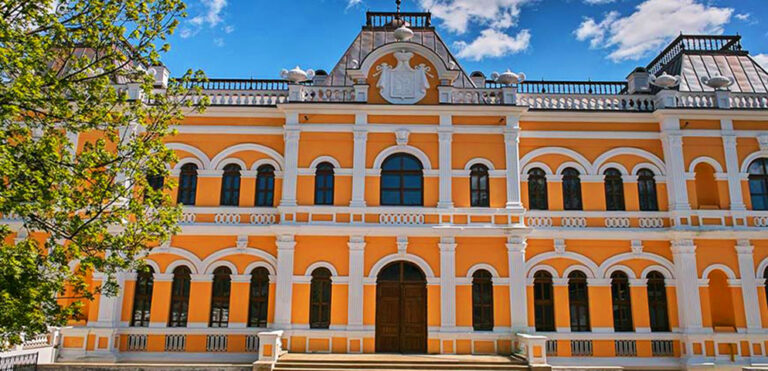
It’s more structured, more composed — white buildings, symmetry, carefully maintained grounds.
It feels deliberate in a way that contrasts with the natural landscape from the day before.
But that contrast is useful. It shows another layer of Moldova’s identity, one that is more formal, more visibly shaped.
You don’t need a long checklist here either.
Walking through the grounds slowly is enough.
Exploring Beyond the Main Stops
After that, the day opens up.
There isn’t one single “next place” you have to see, and that’s actually the strength of the region.
You can drive through nearby villages, follow smaller roads, stop where something catches your attention.
The distances are short, and the transitions are gradual.
This is usually the moment when the trip becomes less about what you planned and more about what you notice along the way.
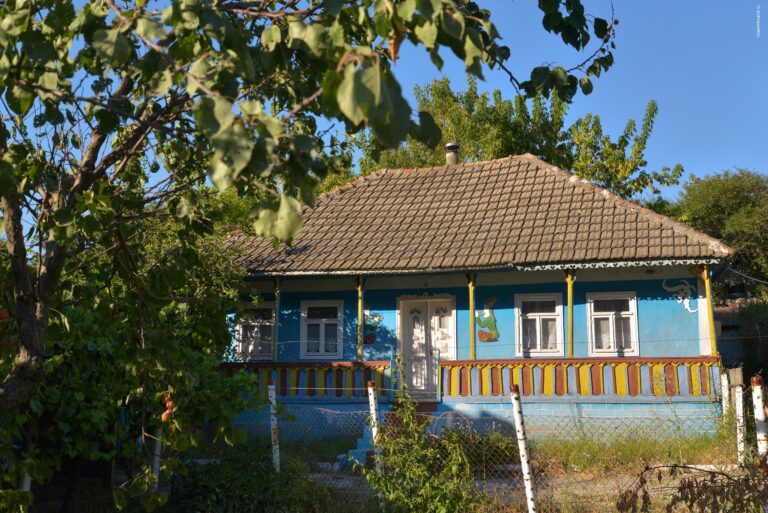
Two days won’t show you everything, but that’s not really the goal.
What they give you is a sense of how the region works — how landscape, history, and daily life fit together without being separated into categories.
The only real mistake is trying to turn it into a checklist.
Orhei doesn’t reward efficiency. It rewards attention.
If you give it time — even just a little — it starts to make sense in a way that more obvious destinations rarely do.

GuideMoldova.com
Keep in touch with our news & offers
Subscribe to Our Newsletter
Thank you for subscribing to the newsletter.
Oops. Something went wrong. Please try again later.