Understanding Moldovan food does not begin with a menu. It begins with familiarity — or, more precisely, with the absence of it.For many first-time visitors, the names mean very little at first. The dishes are unfamiliar, the descriptions often minimal, and the logic behind the cuisine is not immediately explained.But this is also part of …
Understanding Moldovan food does not begin with a menu. It begins with familiarity — or, more precisely, with the absence of it.
For many first-time visitors, the names mean very little at first. The dishes are unfamiliar, the descriptions often minimal, and the logic behind the cuisine is not immediately explained.
But this is also part of the experience.
Moldovan food is not presented as something to decode. It is something you grow into, meal by meal.
What becomes clear quite quickly is that the cuisine is built around a few consistent ideas: warmth, simplicity, and balance.
The dishes are rarely complicated in structure, but they are grounded in ingredients and techniques that have been used for generations.
Plăcinte
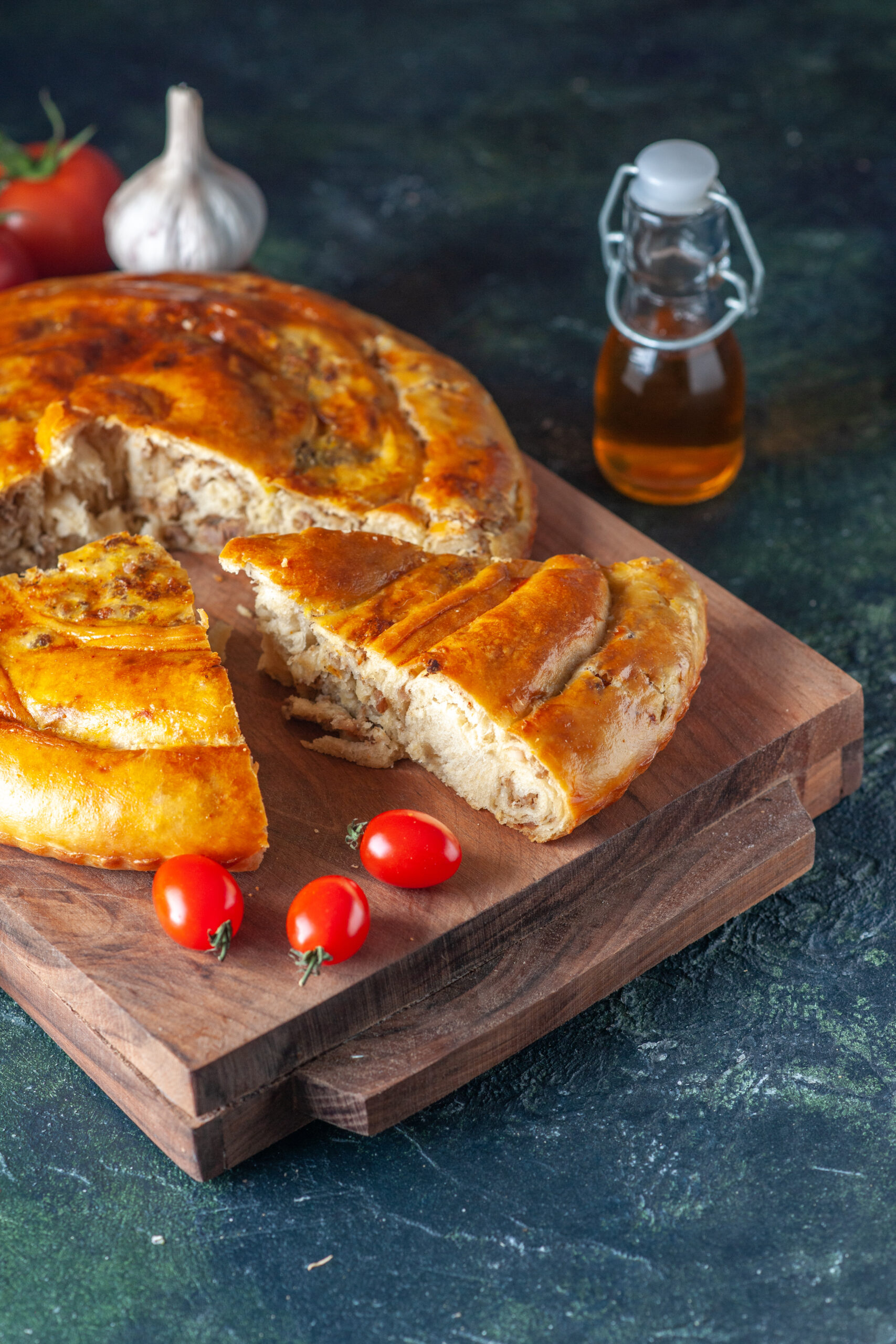
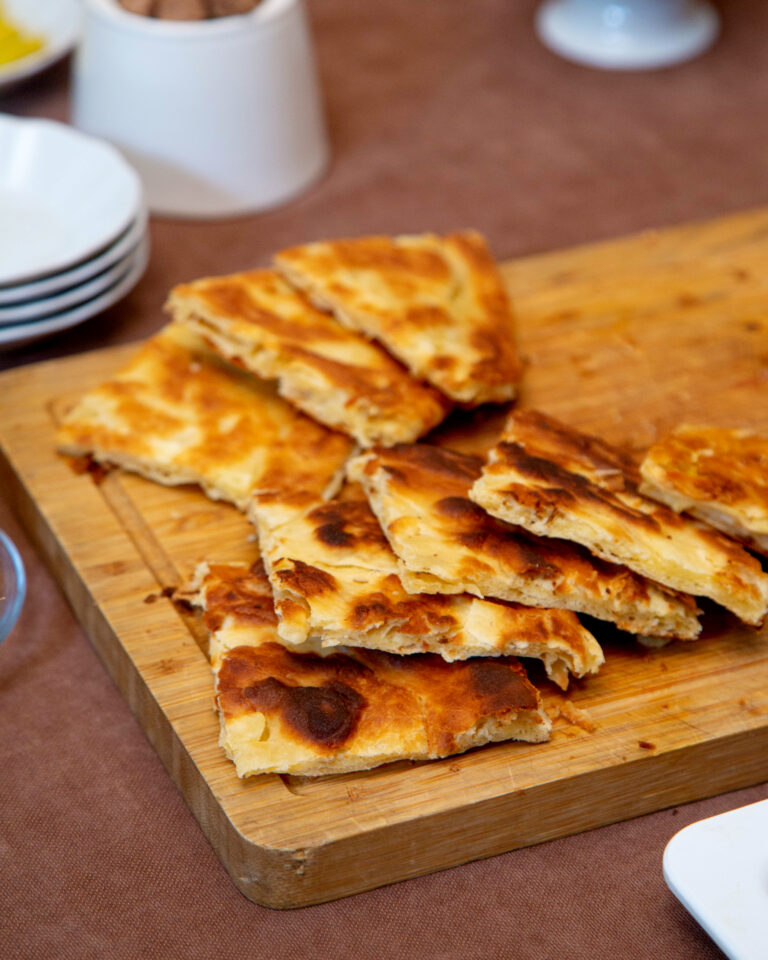
One of the most common entry points is plăcinte.
They appear in different forms, sometimes baked, sometimes fried, filled with cheese, potatoes, cabbage, or seasonal ingredients.
They are not treated as a specialty dish, but as something familiar — the kind of food that belongs equally to a quick lunch or a longer meal.
For a visitor, they are often the easiest way into the cuisine, not because they are simple, but because they are immediately understandable.
Sarmale
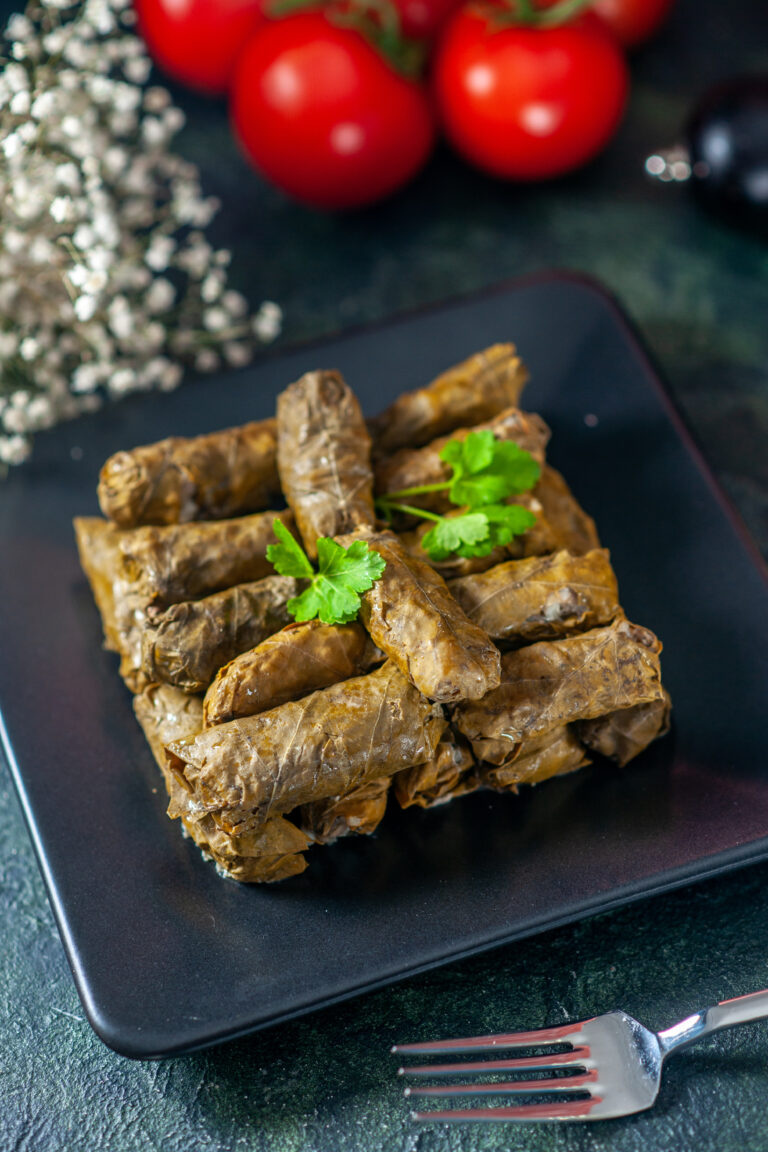
Then there are sarmale, which tend to carry more weight, both literally and culturally.
Small cabbage rolls filled with rice and meat, cooked slowly and served warm, they are deeply rooted in tradition.
What matters is not just the taste, but the context in which they are served.
They rarely appear alone. They are part of a table, part of a sequence, part of a rhythm.
Mămăligă
Mămăligă works differently.
On its own, it is neutral — a cornmeal base that carries very little flavor. But it is never meant to stand alone.
Combined with cheese, sour cream, or meat, it becomes something else entirely.
It is less a dish and more a foundation, a way of structuring a meal rather than defining it.
How the Food Works Together
What links these dishes is not presentation, but function.
They are designed to be shared, to be eaten slowly, and to sit comfortably alongside wine.
The cuisine does not rely on contrast or surprise. It relies on continuity.
How to Order Moldovan Food
Ordering, however, can feel less intuitive.
Menus are not always explanatory, and translations, when present, tend to be brief.
Rather than trying to understand everything in advance, it often works better to approach the meal with a degree of openness.
Choosing one or two dishes, asking for something local, and allowing the table to build gradually tends to lead to a better experience than trying to control every detail.
Portions are generous, and dishes are often more filling than expected.
This is another reason restraint matters. A table with fewer, well-chosen items usually works better than one that tries to cover everything at once.
Asking for Recommendations
In places where staff are used to visitors, a short question is usually enough to guide the meal in the right direction.
Not in a formal, curated way, but in a practical one.
Recommendations tend to be straightforward, based more on what is available and typical than on presentation.
Over time, the initial uncertainty fades.
The names become easier to recognize, the combinations more intuitive, and the structure of the meal more familiar.
What at first felt unclear begins to settle into something coherent.
Why Moldovan Food Feels Different
Moldovan cuisine does not try to impress through complexity.
It works through repetition, balance, and context. The more you return to it, the more it reveals itself.
And ordering, which may seem like a challenge at the beginning, becomes part of the experience rather than an obstacle.
For more context on Moldovan dishes, what to try first, and how to navigate local menus with confidence, explore our complete guide to food in Moldova.